
Waterlogging
Wet soil
Waterlogging is an abiotic condition that significantly alters the soil micro-environment, serving as a primary driver for the development of soil-borne pathogens. When the soil remains saturated, the lack of oxygen prevents proper root function and facilitates the colonization of pathogens.
What the section contains
Waterlogging
The most dangerous agents triggered by saturated soil are oomycetes, particularly from the genera Phytophthora and Pythium. These organisms produce zoospores that swim through the soil water film to locate and infect plant roots.
Systemically, waterlogging leads to plant hypoxia, which weakens the natural defense mechanisms of the roots. This physiological stress makes the plant susceptible to opportunistic infections that would otherwise be suppressed in well-aerated soils.
This state of the soil creates a perfect incubator for various fungus-like organisms to complete their life cycle, moving from the soil into the vascular tissues of the host plant, ultimately causing root rot and stem decay.
Agronomists classify this as a soil health management issue. Managing water levels is the first line of defense against the proliferation of these pathogens, as chemical controls are often ineffective in permanently saturated soil.
Almost all crops are susceptible to the negative effects of waterlogging, with vegetables, fruit trees, and legumes being particularly sensitive. The damage ranges from stunted growth to the total collapse of the crop.
The most common damage is the destruction of the root cortex, which prevents the uptake of water and essential nutrients. This often leads to severe wilting, which growers may incorrectly attribute to drought stress due to the damaged root system.
In cereal crops, waterlogging causes widespread lodging and reduced yield quality. The accumulation of toxic substances in the soil, such as hydrogen sulfide, can further kill root tips and accelerate necrosis.
Economic losses can be catastrophic during seasons with heavy rainfall. Beyond the immediate crop failure, waterlogging results in the loss of long-term investments in orchard or perennial crop plantings.
Furthermore, the physical structure of the soil may deteriorate due to compaction caused by traffic on wet fields, creating a cycle that makes future waterlogging more likely and difficult to manage.
The risk period begins in early spring, when the soil is cold and saturated with meltwater. This phase is critical because cold, wet soil is an ideal environment for oomycetes to infect young seedlings.
Summer is another high-risk season, especially during prolonged rain events. The combination of warm temperatures and high humidity triggers rapid pathogen propagation and the spread of infections across the field.
Autumn brings threats to late-maturing crops and tubers. Soil saturation during harvest time can lead to the infection of harvested products, significantly shortening their storage life and quality.
The cycle of the pathogen is intrinsically linked to the duration of soil saturation. Short-term saturation may be tolerated, but extended periods are almost always followed by outbreaks of root and crown diseases.
Monitoring the soil's moisture content throughout the season allows for strategic interventions, such as adjusting irrigation schedules or improving field drainage, to minimize the impact of wet cycles.
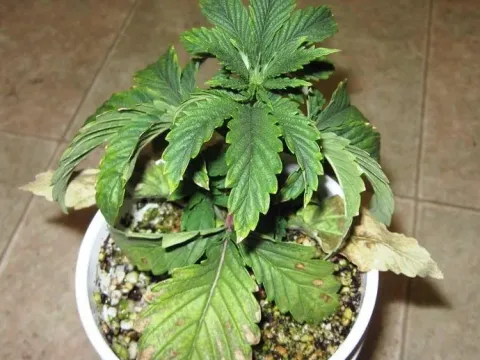
Initial symptoms are characterized by leaf yellowing (chlorosis) and stunted growth. Plants often exhibit daytime wilting even if the soil itself is visibly wet, indicating that the roots are failing.
Upon examination, the roots appear discolored, mushy, and may have a pungent, foul smell due to anaerobic decay. The base of the stem may show dark, water-soaked lesions or necrosis at the soil line.
In greenhouse settings, seedlings may suffer from "damping-off," where the stem collapses at the soil surface. This is often the first visible indicator of a waterlogging-induced pathogen outbreak.
The soil surface may show signs of puddling, crusting, or the presence of moss, which suggests that the soil has not been able to drain effectively, creating a long-term hostile environment.
Fruits and lower leaves in contact with the wet soil often develop soft, watery lesions that quickly become covered in white or grey fungal spores, spreading the infection to neighboring plants.
Implementing effective drainage systems, such as subsurface pipes or raised beds, is essential for managing waterlogged soils. Providing a path for water to exit is crucial for root health.
Regular cultivation and loosening of topsoil help to increase aeration, break up surface crusts, and accelerate the evaporation of excess water, directly disrupting the environment pathogens rely on.
Selecting appropriate crop varieties that have higher tolerance to wet conditions and ensuring fields are leveled correctly can mitigate the risks of water pooling.
- Improving soil organic matter through cover cropping.
- Using biological fungicides containing Bacillus species.
- Avoiding tillage when the soil is at field capacity.
- Prudent irrigation management based on soil moisture sensors.
Integrating chemical control with proper land management ensures that pathogens are kept under threshold levels, preventing the onset of epidemics during wet weather conditions.