
Verticillium wilt of brassicas
Verticillium longisporum
The causal agent of this disease is the soilborne pathogenic fungus Verticillium longisporum. It belongs to the kingdom Fungi and phylum Ascomycota, and it is a highly specialized pathogen targeting Brassicaceae crops.
What the section contains
Verticillium wilt of brassicas
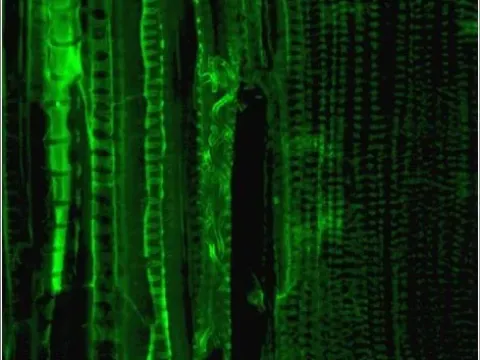
The fungus survives in the soil as microsclerotia, which remain viable for many years. It infects host plants through root hairs, subsequently colonizing the vascular system and xylem vessels, which hinders water transport.
This species is known for its ecological plasticity and efficient mechanisms to overcome host resistance. Unlike other Verticillium species, this fungus is exclusively adapted to cruciferous crops.
The life cycle is tightly regulated by soil temperature and moisture. When conditions are favorable, microsclerotia germinate, and the mycelium invades the plant tissues, leading to systemic infection.
Laboratory diagnosis is essential for accurate identification, as symptoms often mimic those of other diseases like blackleg (Phoma lingam) or various bacterial wilts found in field conditions.
Key hosts of this pathogen include oilseed rape, mustard, radish, and various cabbage species. The disease causes significant yield losses, often resulting in premature senescence of crops.
The damage is manifested by a reduction in seed yield, lower oil content, and decreased seed quality. Infected plants exhibit increased fragility, which leads to significant harvest losses due to pod shattering.
Widespread infection within a field can cause up to 50% yield reduction depending on the initial inoculum pressure and environmental conditions during the growing season.
Since the pathogen clogs the vascular system, affected plants suffer from severe water stress, preventing the proper filling of pods and leaving seeds underdeveloped or shriveled.
Furthermore, the accumulation of inoculum in the soil restricts the planting of susceptible crops in the affected areas, leading to long-term land management challenges.
Infection typically occurs throughout the vegetative period, starting from the seedling stage. The most active development of the fungus occurs in soils with moderate temperatures between 15°C and 25°C.
The pathogen primarily spreads via soil movement caused by machinery, wind, or water. Once introduced, the fungus can persist in the soil for over a decade even in the absence of a host.
Visible symptoms usually become prominent during the seed-filling stage, when the plant's metabolic demand for water is high, causing the diseased plant to wilt under typical solar stress.
Environmental stress, such as drought in late spring or summer, exacerbates the visible impact of the disease, causing the internal vascular blockage to become lethal to the plant tissue.
The cycle of the disease is continuous in areas with intensive cultivation of cruciferous crops, as each season adds more microsclerotia to the soil profile.
Initial signs include chlorosis on the leaves, which often appears as asymmetrical yellowing. This progresses to necrosis and premature wilting of the foliage.
- Unilateral yellowing and wilting of the leaves.
- Dark grey discoloration of the stems visible after stripping the outer epidermis.
- Small black microsclerotia visible under the stem skin.
- Early senescence and rapid plant die-off.
- Reduced plant height and shattered pods at harvest time.
Cross-sectioning the stem reveals browning or darkening of the vascular bundles. This internal symptom confirms the systemic colonization of the plant by the fungus.
Unlike some other wilt pathogens, Verticillium longisporum often causes a slow, progressive decline rather than a sudden collapse, though the end result is almost always a total loss of the plant's vigor.
The primary control measure is the implementation of a long crop rotation. Avoiding brassica crops on the same land for at least 4–6 years is essential to reduce soil inoculum levels.
Selecting tolerant or resistant cultivars is the most effective approach for managing this disease, as chemical options for curative control are largely ineffective once systemic infection occurs.
Rigorous weed control is vital, as cruciferous weeds such as shepherd's purse or field pennycress act as alternative hosts that maintain the pathogen in the absence of a main crop.
Agronomic practices, including proper residue management, deep plowing to bury infested stubble, and balanced fertilization, can mitigate the impact of the disease.
There are currently no highly effective fungicides that can fully eradicate the pathogen from the soil, making preventive strategies and biosecurity protocols the only viable options for farmers.