
Verticillium wilt
Verticllium dahliae
Verticillium dahliae is a soil-borne imperfect fungus belonging to the kingdom Fungi and the genus Verticillium. It acts as an obligate parasite, causing systemic vascular disease in a wide range of higher plants.
What the section contains
Verticillium wilt
This microscopic fungus produces resting structures known as microsclerotia, which exhibit extreme longevity in the soil, capable of surviving for many years even in the absence of host plants.
The pathogen's conidiophores feature a characteristic whorled branching pattern, at the tips of which oval conidia are formed. This structural feature is the origin of the genus name, as "verticilla" refers to the whorled arrangement.
The fungal infection cycle begins when root exudates trigger the germination of microsclerotia. Hyphae then penetrate the root system and colonize the xylem vessels, gradually obstructing the upward flow of water and nutrients.
The pathogen is highly versatile and adaptable to a broad spectrum of soil and climatic conditions, establishing itself as one of the most destructive pathogens in modern global agriculture.
This phytopathogen affects over 300 plant species, including a vast array of vegetable, fruit, berry, ornamental, and industrial crops.
The most susceptible plants include cotton, tomatoes, potatoes, eggplants, peppers, strawberries, cucumbers, and stone fruit trees like peaches and apricots.
The damage is reflected not only in reduced total yield but also in significant degradation of produce quality: fruits become smaller, lose marketability, and suffer from diminished flavor profiles.
In cases of severe infestation, the plant may die completely due to the vascular blockage, which prevents the transport of essential nutrients and leads to total desiccation of the aerial parts.
The pathogen is easily disseminated through infected propagation materials such as seeds, seedlings, and nursery stock, posing a severe risk for spreading the infection to new areas.
Active development of the pathogen occurs during the growing season when soil temperatures reach 20–25°C, providing the optimal conditions for microsclerotia germination.
The primary reservoir for the infection is the soil, where the fungus remains viable for up to 10–15 years, as well as infested crop debris left in the field.
Throughout the season, the infection spreads via conidia, which are transported by irrigation water, rainfall, and farm equipment during routine soil cultivation.
While the fungus shows reduced metabolic activity in cooler soil, it remains highly resistant to freezing, effectively surviving through the winter months until the next growing cycle.
The most critical window for infection is the flowering and fruit-setting stage, when the host plant’s metabolism is heavily redirected toward fruit development, simplifying vascular colonization.
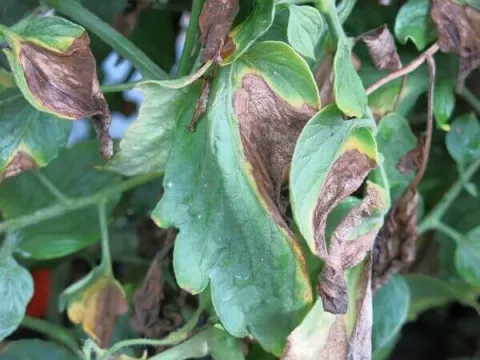
Early visual symptoms often manifest as unilateral chlorosis of the leaves, where one side of the leaf yellows while the other remains healthy and green.
Over time, the affected areas undergo necrosis and turn brown, resulting in a characteristic mottled or chevron-like pattern across the leaf lamina.
Progressive wilting occurs during the hottest hours of the day; initially, this symptom may seem reversible as plants recover overnight, but it eventually leads to permanent wilting and collapse.
A cross-section of the stem or root of an infected plant reveals distinct browning or darkening of the vascular ring (xylem), caused by the accumulation of fungal hyphae and toxins within the vessels.
- Yellowing of lower foliage.
- Loss of plant turgor.
- Browning of vascular bundles.
- Premature leaf drop.
- Stunting and morphological deformation.
The primary control strategy involves rigorous crop rotation, utilizing non-host crops such as grasses and cereals to break the pathogen's infection cycle.
It is essential to implement strict phytosanitary measures, including the thorough removal and destruction of crop residues and weeds that may harbor the pathogen.
Utilizing plant varieties and hybrids with genetic resistance to Verticillium dahliae remains the most effective and economically sustainable approach to disease management.
Cultural practices, including soil disinfection, solarization, or the application of biological fungicides containing Trichoderma, help significantly reduce the pathogen population in the soil.
Chemical control measures include treating seeds with appropriate fungicides and applying systemic fungicides via root drenching upon the first signs of symptomatic infection.