
Verticillium theobromae
Verticillium theobromae
Verticillium theobromae is a fungal pathogen belonging to the genus Verticillium, known for causing significant damage in tropical agricultural systems.
What the section contains
Verticillium theobromae
This fungus is characterized by the production of conidia on branched conidiophores, which are dispersed primarily via water splashes, wind, and contaminated tools.
The pathogen is soil-borne and capable of surviving in dead plant tissue for extended periods, making it a persistent threat in cacao-growing regions.
Taxonomically, it is grouped with other vascular wilt pathogens, although its host range is distinctly adapted to the tropical environment and specific woody species.
Identification of the fungus in a laboratory setting involves observing the morphology of the conidia and the specific cultural characteristics on agar media.
The primary economic impact of Verticillium theobromae is on cacao plantations (Theobroma cacao), where it causes severe fruit rot and wilting symptoms.
The fungus invades the vascular system, obstructing the flow of water and nutrients, which eventually leads to the dieback of branches and tree death.
In addition to cacao, this pathogen has been linked to the decay of various tropical fruits, potentially causing post-harvest losses if not managed correctly.
Infection often starts from mechanical wounds caused by insects or harvesting tools, which provide an entry point for the fungal spores to colonize the plant.
Yield loss is significant, as the infection renders the cacao beans unusable and can lead to the complete destruction of infected nursery seedlings.
Visible symptoms on pods include dark, necrotic lesions that expand rapidly and may eventually cover the entire surface of the infected fruit.
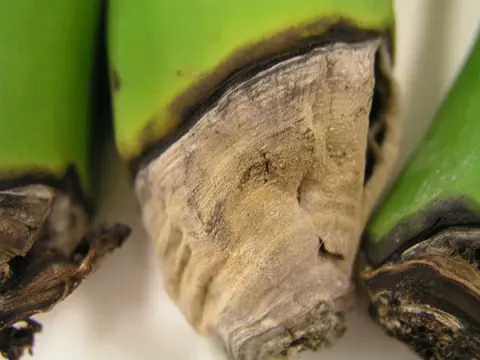
A distinctive feature is the emergence of a grayish or whitish dusty layer of mycelium and spores on the surface of the infected necrotic spots.
The internal tissue of the affected fruit softens and rots, turning into a mushy mass that destroys the quality of the cocoa beans contained within.
On tree branches, signs of systemic infection include chlorosis, leaf wilting, and a gradual decline of the canopy starting from the extremities.
Internal examination of the stem or branches shows a dark discoloration of the vascular tissues, which confirms the presence of the pathogen inside the xylem.
Strict sanitation practices, such as the removal and burning of infected fruits and dead wood, are essential to reduce the primary inoculum load.
Disinfecting pruning shears and harvesting equipment between trees is crucial to prevent the human-aided spread of the fungus across the plantation.
Improving air circulation and reducing humidity within the canopy by proper pruning can create an environment less favorable for fungal development.
The application of approved systemic fungicides can be effective when used preventatively, particularly during the rainy season when infection pressure is high.
Developing and planting resistant cultivars remains the most sustainable long-term solution for managing Verticillium theobromae in tropical environments.