
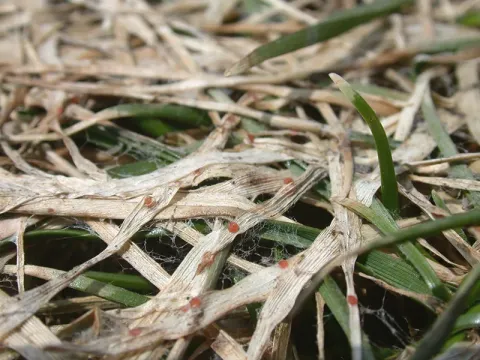
Typhula incarnata
Typhula incarnata
Typhula incarnata is a pathogenic fungus belonging to the Basidiomycota division. It is a specialized necrotrophic pathogen that primarily affects winter cereals and forage grasses during the winter season.
What the section contains
Typhula incarnata
The fungus survives during unfavorable periods as sclerotia, which are hard, compact masses of mycelium. These sclerotia are reddish-brown to dark brown and serve as the primary source of infection in the soil.
The life cycle involves the formation of basidiocarps, small fruiting bodies that emerge in spring or late winter, releasing spores that can infect host plants when conditions are cool and moist.
As a psychrophilic (cold-loving) organism, Typhula incarnata thrives at temperatures near freezing, allowing it to remain active while the host plants are dormant under snow cover.
Laboratory identification of the fungus is typically performed by observing characteristic mycelial growth patterns and the formation of distinct sclerotia on appropriate culture media.
The pathogen is one of the primary causes of snow mold in winter crops, including winter wheat, rye, and barley. It targets the crown tissue, which is vital for plant regrowth in the spring.
When the crown is colonized by the fungus, the plant dies, leading to significant gaps in the field. This disease can cause total loss of crop stands in localized areas, often requiring replanting.
Affected plants fail to recover during the spring growth phase, even if weather conditions become favorable, as the vascular system and structural integrity of the crown are compromised.
Economic damage is most severe in regions with persistent snow cover over unfrozen soil, as this environment allows the fungus to spread extensively through the field.
Beyond complete plant mortality, the disease causes reduced tillering and overall loss of plant vigor in surviving individuals, leading to significantly lower yields at harvest.
The most critical activity of Typhula incarnata occurs during winter under snow cover. The fungus is highly active at temperatures ranging from 0°C to 5°C, where it easily spreads.
Infection cycles begin in the autumn when soil temperatures drop, allowing the pathogen to colonize the leaves and crowns of young winter cereals before the first snowfall occurs.
The presence of deep snow on non-frozen ground is the most favorable condition for the disease. It provides insulation that keeps the soil temperature slightly above freezing, perfect for fungal mycelium growth.
As temperatures rise significantly in the spring and plants enter active growth, the pathogen’s development slows down, and the fungus eventually enters its dormant sclerotial stage.
Field scouting for snow mold is best performed immediately after snowmelt, as the symptoms are most distinct at that time before the foliage begins to dry or decay further.
The classic symptom of a Typhula incarnata infection is a white or pinkish-white mycelial mat covering the leaves and soil surface, visible right after snowmelt.
Leaves of infected plants look water-soaked, turn greyish-brown, and begin to rot. A distinct, musty odor is often associated with the decaying plant material in the infected patches.
Small, reddish-brown sclerotia (about 1–3 mm in diameter) develop on the dead leaves and the crown. These structures are the most reliable diagnostic sign to differentiate Typhula from other snow mold pathogens.
The crop canopy often appears matted or "glued" to the soil surface. This flattened appearance is a clear indicator that the plant tissues have been softened by the fungal enzymes.
In heavily infested areas, the disease creates circular or irregular patches where the stand has been completely wiped out, leaving the soil exposed or covered in dead plant debris.
Management focuses on promoting crop health and minimizing the environmental conditions that favor fungal development during the winter months.
Cultural practices include adjusting seeding rates and planting dates to prevent excessive fall growth, which can make plants more susceptible to being matted under snow.
Balanced fertilization, particularly the application of potassium, is known to enhance the winter hardiness of cereal crops and help them withstand pathogen pressure better.
Chemical control involves treating seeds with systemic fungicides and, in high-risk scenarios, applying preventative fungicides in the late autumn before the onset of permanent snow cover.
- Use of systemic fungicides (triazoles or strobilurins).
- Crop rotation to reduce the build-up of soil-borne sclerotia.
- Proper management of crop residues to avoid leaving excessive stubble that hosts the fungus.