
Ulocladium
Ulocladium
Ulocladium is a genus of dematiaceous (dark-pigmented) fungi belonging to the kingdom Fungi, phylum Ascomycota, and order Pleosporales. It is morphologically similar to related genera like Alternaria and Stemphylium, commonly inhabiting soil and decaying organic matter.
What the section contains
Ulocladium
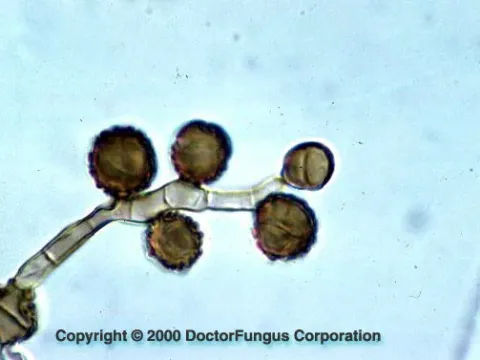
The mycelium of the fungus is typically brown or olive-colored. It produces conidiophores that bear distinctive multicellular conidia. These spores often feature both transverse and longitudinal septa, which allows for identification through microscopic examination.
Unlike some obligate parasites, Ulocladium often acts as a facultative parasite or saprotroph, opportunistic in nature, which colonizes plants when their natural defenses are weakened or compromised by environmental stress.
Field identification can be difficult due to the overlapping symptoms with other common fungal leaf spots. Accurate diagnosis usually requires laboratory culturing to distinguish the genus based on its specific conidial morphology.
The fungus has a worldwide distribution and survives on a wide range of hosts, including both cultivated crops and wild weeds, making it a persistent threat to agricultural production systems.
Ulocladium commonly affects various vegetable crops, including tomatoes, peppers, cucumbers, and potatoes. There have also been reports of infections in ornamental plants like tulips and several legume species.
The pathogen can infect all above-ground plant parts, including leaves, stems, fruits, and blossoms. Plants weakened by poor growing conditions, physiological stress, or existing mechanical injuries are particularly susceptible.
On fruits, the fungus causes lesions that can expand significantly, resulting in rot and total loss of commercial value. Infected produce becomes unmarketable and highly perishable during transport and storage.
Damage to the foliage disrupts the plant's photosynthetic capacity, leading to premature leaf drop, wilting, and a substantial reduction in overall yield and crop quality.
The fungus is particularly problematic in protected environments like greenhouses, where specific microclimates of high humidity and controlled temperatures facilitate the rapid spread of the disease.
The period of highest disease pressure occurs during the latter half of the growing season, particularly when weather conditions include high humidity and moderate temperatures.
The primary requirement for spore germination is the presence of surface moisture on plant tissues or relative humidity levels consistently exceeding 80-85 percent.
The optimal temperature range for the development of most Ulocladium species is between 20 and 28 degrees Celsius, which coincides with the peak growth stages of many summer crops.
Spores are easily disseminated by wind currents, splashing rain, or movement of insect vectors, which transport the inoculum from infected plant debris to healthy neighboring plants.
Crop residues left in the field after harvest act as an primary overwintering reservoir for the fungus, allowing it to persist until the next growing season.
The initial symptoms appear as small, circular spots on the foliage that gradually enlarge, often turning brown or dark-tan in color as the tissue necrotizes.
A hallmark of the infection is the development of concentric zones within the lesions, giving them a target-like appearance, often surrounded by a yellow chlorotic halo.
Under conditions of high humidity, a velvety olive-green or black moldy growth forms on the surface of these spots, consisting of a dense mass of conidia and conidiophores.
On stems, the symptoms manifest as elongated, dark-colored lesions that can girdle the plant, cutting off nutrient transport and resulting in the collapse of the upper canopy.
Fruit infections start as localized dark spots that expand rapidly; the underlying tissue softens, providing an ideal substrate for secondary bacterial colonization and total fruit breakdown.
The foundation of management is crop rotation, avoiding susceptible species for 2–3 years to reduce the soil-borne inoculum level and break the pathogen's life cycle.
Deep plowing or the thorough removal of infected plant debris is essential, as these materials harbor the fungal structures responsible for primary infections.
In greenhouse settings, maintaining proper ventilation, avoiding over-densified planting, and implementing drip irrigation (which keeps foliage dry) are critical preventative measures.
When environmental conditions favor disease, the application of broad-spectrum fungicides, such as triazoles or strobilurins, can provide effective curative and protective control.
- Use of high-quality, disease-free seed and transplant stock.
- Proactive monitoring and control of insect populations that may spread spores.
- Use of biological control agents like Trichoderma species to suppress fungal growth in the soil.