
Sowthistle yellow vein virus
Sowthistle yellow
Sowthistle yellow vein virus (SYV) is a plant-pathogenic virus belonging to the genus Nucleorhabdovirus, within the Rhabdoviridae family.
What the section contains
Sowthistle yellow vein virus
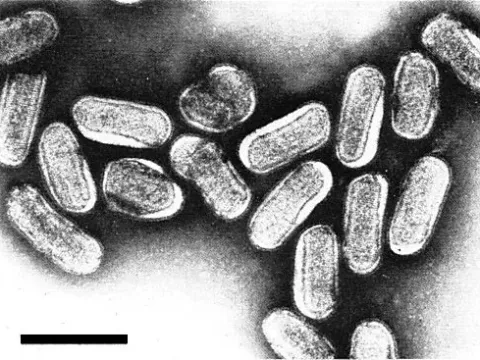
The virus particles are bullet-shaped, containing a single-stranded RNA genome, which is a characteristic feature of this viral family.
Transmission occurs exclusively through insect vectors, specifically certain aphid species like Hyperomyzus lactucae, which acquire the virus while feeding.
The virus replicates within the host plant cells and persists in the insect vector, making it a persistent, propagative type of infection.
Accurate identification usually involves specialized laboratory diagnostic techniques such as ELISA or PCR to differentiate it from other plant stresses.
SYV primarily affects plants in the Asteraceae family, causing significant physiological disruption and stunted growth in affected hosts.
Economic impact is most severe in commercial crops like lettuce and other vegetable species susceptible to this pathogen.
Infected crops often fail to reach market standards due to deformation, reduced size, and poor color quality.
The virus interferes with nutrient translocation and photosynthesis, leading to lower yields and weakened plant immunity.
In greenhouse settings, uncontrolled spread can lead to total loss of the batch if preventive measures are neglected.
The most diagnostic symptom is the bright yellowing (chlorosis) of the veins on the leaves, which gives the disease its common name.
Severe stunting or dwarfism is commonly observed, where the entire plant remains significantly smaller than healthy controls.
Leaf curling, crinkling, and mosaic patterns may develop as the infection becomes systemic throughout the host.
Affected tissues may eventually undergo necrosis, leading to premature leaf drop and the overall decline of the plant health.
Under field conditions, these symptoms may be mistaken for nutrient deficiencies, emphasizing the need for professional agricultural diagnosis.
The primary control strategy involves eliminating wild weed hosts, particularly Sonchus species, around the cultivation area.
Strict management of aphid populations using systemic insecticides is essential to prevent the spread of the virus within the field.
Implementing crop rotation and selecting resistant or tolerant cultivars can effectively reduce the viral pressure on farms.
In protected cultivation, the use of insect-proof screens is a highly effective way to prevent vector entry and minimize infection risks.
Regular scouting for both the presence of aphids and early viral symptoms allows for timely intervention and containment of the disease.