
Sclerotium cinnamomi
Sclerotium cinnomomi
Sclerotium cinnamomi is a soil-borne fungal pathogen belonging to the Deuteromycetes class. It is a filamentous fungus that lacks a sexual stage, surviving primarily through the formation of specialized resting structures known as sclerotia.
What the section contains
Sclerotium cinnamomi
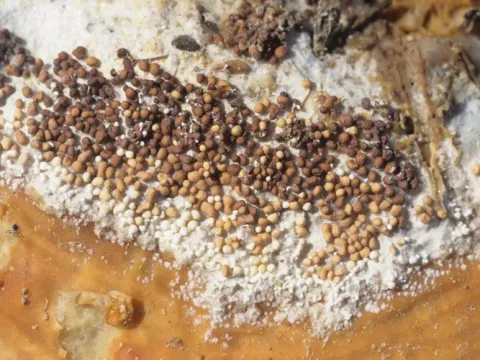
The fungus is named for the distinct cinnamon-brown color of its sclerotia, which serve as its primary survival mechanism. These structures allow the pathogen to remain dormant in the soil for several years until favorable conditions arise.
The vegetative mycelium of the pathogen is robust and capable of saprophytic growth on organic debris, allowing it to maintain its population density even in the absence of a susceptible host crop.
Identification of the fungus typically involves analyzing the morphology of its mycelium and the characteristic sclerotia found in the soil near infected plants. Laboratory culture on selective media is required for definitive classification.
The fungus interacts with the rhizosphere, where it produces extracellular enzymes that degrade plant tissue. This process allows the mycelium to penetrate the host's root system and establish systemic infection.
Sclerotium cinnamomi is known for its wide host range, affecting various vegetable crops, ornamentals, and young fruit trees. It is highly aggressive in nursery environments where dense plant populations facilitate rapid spread.
The primary symptom of the damage is root rot, which severely inhibits the plant's ability to absorb water and nutrients. This physiological stress leads to stunted growth, leaf chlorosis, and eventual plant death.
Economic damage is often significant due to total yield loss in localized spots. The pathogen's ability to persist in the soil makes it a chronic threat, necessitating long-term management strategies for affected fields.
In mature plants, the infection can cause slow decline and lack of vigor, making it difficult to detect until the root system is substantially compromised. The presence of the pathogen also reduces the quality and marketability of produce.
The disease spread is exacerbated by movement of contaminated soil, irrigation water, and the use of infected seedlings. Mechanical cultivation tools can easily distribute the fungus across a clean field.
The pathogen thrives during periods of high soil moisture and moderate to warm temperatures. Optimal activity is typically recorded between 18°C and 25°C, making it a major concern during spring and late summer.
Primary infection occurs when environmental conditions trigger the germination of dormant sclerotia in the soil. This usually coincides with the planting season, when young roots are most susceptible to fungal colonization.
Peak disease outbreaks are often associated with heavy rainfall or over-irrigation. Excessive soil water creates a pathway for the mycelium to move between adjacent plants and increases the risk of systemic infection.
In greenhouse settings, the pathogen can be active throughout the year. Controlled environments with poor airflow and high humidity provide the perfect breeding ground for rapid colonization of the substrate.
As temperatures drop during the autumn and winter, the fungus shifts its metabolic activity, forming new sclerotia to survive the cold. This cycle ensures the pathogen persists through the dormant season.
Initial signs often involve the wilting of foliage, especially during the hottest parts of the day when transpiration demands are high. Plants may recover slightly overnight before wilting again as the infection progresses.
Visual inspection of the root crown often reveals necrotic, brown lesions that may eventually girdle the stem. This destruction of the vascular tissue is the main cause of the wilting observed above ground.
Under humid conditions, a visible mycelial mat may develop on the surface of the soil or the base of the infected plant. This is a clear indicator that the fungus is actively spreading within the host environment.
Roots of infected plants typically appear discolored, ranging from dark brown to black. They may become soft and mushy as decay sets in, losing their structural integrity and root hair functionality.
The presence of cinnamon-colored, rounded sclerotia in the root zone is the hallmark sign of the disease. These structures are easily observable and confirm the diagnosis of this specific phytopathogen.
Management of Sclerotium cinnamomi requires a multi-pronged approach, focusing primarily on prevention and the reduction of the inoculum load in the soil. Crop rotation is essential for breaking the disease cycle.
Cultural practices such as deep plowing help bury crop residues, which helps in suppressing the fungal population through natural soil microbial competition. Maintaining proper soil drainage is crucial to prevent moisture buildup.
Chemical control involves the use of soil fungicides applied before planting or at the first signs of disease. Treating the substrate in nurseries is a critical step to prevent the introduction of the pathogen.
- Selecting healthy, certified plant material to avoid introduction.
- Using biological control agents like Trichoderma to suppress fungal growth.
- Sanitizing all tools and equipment used in the field or greenhouse.
If an infection is detected, the affected plants and a significant perimeter of surrounding soil must be removed and destroyed to contain the spread. Implementing these strict sanitary measures helps minimize long-term losses.