
Sclerotinia minor
Sclerotinia minor
Description
How to identify
Sclerotinia minor is an ascomycete fungus and a significant plant pathogen known for causing crown rot in a wide variety of crops. It is taxonomically classified within the Sclerotinia genus, sharing similar characteristics with other species, but distinguished by its very small sclerotia.
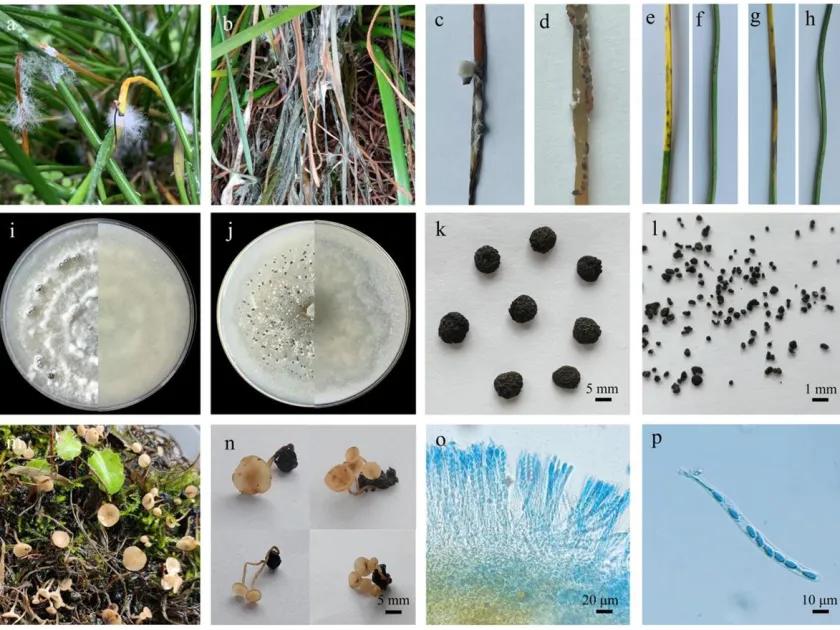
Unlike some related species, S. minor primarily reproduces through the formation of sclerotia, which are hard, black, irregular resting structures. These sclerotia are typically less than 2 mm in size, allowing them to blend easily with soil particles.
The life cycle of the pathogen is centered in the soil. The fungus exists as a dormant sclerotium until environmental conditions, such as cool temperatures and high moisture, trigger germination. Once active, it produces mycelium that infects host roots or stems.
Mycelial growth is the primary way the pathogen spreads from plant to plant. Once a host is infected, the fungus can rapidly colonize adjacent plants if they are in close proximity, creating patches of disease in a field.
This pathogen is highly persistent. Its ability to survive in soil for several years as sclerotia makes it a formidable challenge for farmers, necessitating integrated management practices rather than single-step solutions.
What it damages
Sclerotinia minor has a very broad host range, infecting over 400 plant species. Major economic crops affected include lettuce, peanut, sunflower, bean, and various leafy greens, which are particularly susceptible to crown rot.
In lettuce production, it causes rapid wilting and collapse of the entire head. The fungus attacks the base of the plant, rotting the crown and effectively cutting off the plant's water and nutrient supply.
Peanut crops face significant yield losses due to "Sclerotinia blight," which destroys the stems and pods. The pathogen remains active throughout the growing season, especially during cool and humid weather periods.
Sunflower plants often exhibit stem rot, which can lead to lodging (the plant falling over) just before harvest. This makes the mechanical harvesting of seeds difficult and results in significant waste in the field.
The damage caused by this pathogen is cumulative. Each infected plant contributes thousands of new sclerotia back into the soil, drastically increasing the disease pressure for the following planting seasons.
Signs of infestation
Initial symptoms are often subtle, starting with the wilting of lower leaves during the hottest part of the day. As the disease progresses, this wilting becomes permanent and spreads to the rest of the plant.
A white, cottony mycelial growth appears at the base of the stem or on the crown area. This is a clear indicator that the fungus is actively colonizing the plant tissue and utilizing its nutrients.
Small, black, hard bodies called sclerotia begin to develop within or on the surface of the white mycelium. These structures are diagnostic; their presence confirms the identity of Sclerotinia minor.
The infected plant tissue becomes soft and necrotic. In humid conditions, the crown rot progresses rapidly, turning the stem tissue into a decayed, mushy mass that can easily be separated from the root system.
As the plant dies, the crown structure disintegrates, leaving behind the hardened sclerotia in the soil. These structures are then spread through field operations like tillage, cultivation, or contaminated irrigation water.
Control measures
Crop rotation is the most critical management tool. Rotating host crops with non-hosts, such as grasses or cereals, over a period of 3 to 5 years can significantly reduce the population of viable sclerotia in the soil.
Deep plowing can be effective in burying the sclerotia deep enough to inhibit their germination and prevent them from reaching the soil surface where they could infect future crops.
Good field management includes optimizing drainage and avoiding over-irrigation. Keeping the soil surface as dry as possible during vulnerable growth stages reduces the likelihood of mycelial infection.
Chemical control with fungicides is possible but must be applied early in the infection cycle. Because S. minor is soil-borne, achieving complete coverage is often difficult, making timing and method of application crucial.
Biological control using Coniothyrium minitans, a mycoparasitic fungus, is highly effective. It is applied to the soil to infect and degrade the sclerotia of Sclerotinia minor, thereby breaking the disease cycle naturally.
Causes diseases · 2
Discussion
No discussions yet — be the first.