
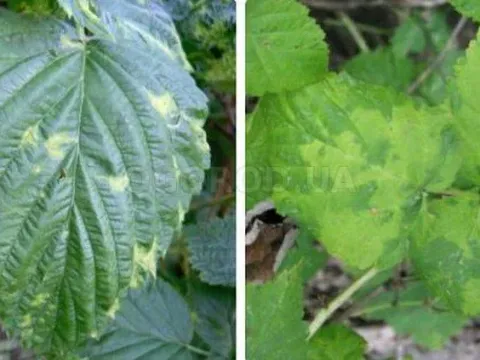
Raspberry vein chlorosis virus
Raspberry vein
Raspberry vein chlorosis virus (RVCV) is a plant-pathogenic virus belonging to the Badnavirus genus. It is a bacilliform, DNA-containing virus that specifically infects plants within the Rubus genus, primarily targeting red raspberries.
What the section contains
Raspberry vein chlorosis virus
As an obligate parasite, the virus relies entirely on the host plant for replication and survival. Once inside the plant, it colonizes the vascular tissues, specifically the phloem, causing systemic infection that affects the plant's overall health.
Transmission occurs through specific insect vectors, mainly aphids like Aphis idaei. These insects acquire the virus while feeding on infected tissue and transmit it to healthy plants during subsequent feeding sessions.
Detection in the field is challenging because the virus often does not cause dramatic necrotic symptoms. Professional diagnosis requires molecular methods such as ELISA or PCR to confirm the presence of viral RNA/DNA in suspected plant samples.
The virus does not spread through soil or contact between roots or pruning tools. Its movement is strictly dependent on the activity of insect vectors, which dictates the primary focus of field management strategies.
The primary damage caused by RVCV is a reduction in the host plant's photosynthetic efficiency. By inducing chlorosis along the veins, the virus disrupts the normal physiological processes, leading to stunted plant growth.
Reduced vigor directly impacts crop yield and quality. Infected raspberry plants produce smaller berries and, in severe cases, may fail to produce a marketable crop, leading to significant economic losses for growers.
Viral infection impairs the winter hardiness of raspberry canes. Plants weakened by RVCV are much more susceptible to winter injury, often showing increased dieback after frost exposure, which further reduces yield potential.
Chronic infection results in the progressive decline of the plantation. Over several seasons, the vigor of the canes decreases, and the total production per hectare drops, eventually requiring complete removal and replacement of the crop.
Furthermore, RVCV can predispose plants to secondary infections. Weakened tissues are more attractive to and less resistant against various fungal pathogens, complicating the overall disease management program for the plantation.
The hallmark symptom is chlorosis (yellowing) occurring specifically in the tissues adjacent to the leaf veins. This creates a distinct network-like yellow pattern that is most visible when the leaf is held up to the light.
The expression of symptoms is highly temperature-dependent. They are typically most pronounced during cooler weather, such as in early spring or autumn, whereas high summer temperatures may mask the symptoms.
In addition to leaf chlorosis, affected plants often show a reduction in overall size. The new canes may be shorter and thinner than those of healthy plants, resulting in a sparse and weakened appearance of the raspberry rows.
In some cases, the leaf lamina might appear slightly distorted, although vein yellowing remains the most reliable diagnostic sign. Severely affected plants show reduced vigor throughout the growing season.
Tolerance varies among cultivars. Some raspberry varieties may act as asymptomatic carriers, harboring the virus without displaying obvious signs, which poses a significant risk to neighboring healthy plants.
The most important control measure is the use of certified virus-free planting material. Establishing a new plantation with stock sourced from reliable, disease-tested nurseries is the foundation of long-term disease management.
Effective management of aphid populations is essential to prevent the spread of the virus. Regular applications of insecticides during the growing season help minimize the vector population and reduce the risk of secondary transmission.
Sanitation practices involve the immediate removal and destruction of any plants showing symptoms. These plants must be rogue out completely, including roots, to eliminate the reservoir of the virus from the field.
Maintaining physical isolation between new plantings and older, potentially infected raspberry patches is crucial. Creating a buffer zone reduces the likelihood of aphids migrating from infected areas to newly established rows.
Good agricultural practices, including balanced fertilization and adequate irrigation, support plant health. While these measures cannot cure an infected plant, they can help the plant endure environmental stress better than an unmanaged crop.