
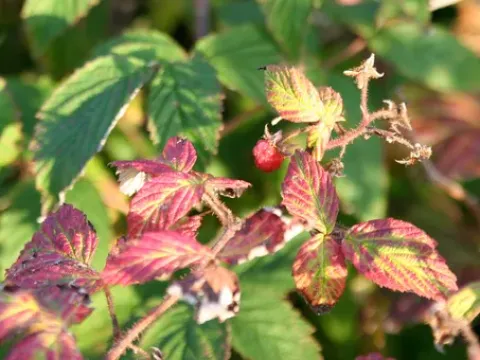
Raspberry stunt
Rubus stunt
Raspberry stunt is a serious plant disease caused by a phytoplasma known as Rubus stunt. This pathogen belongs to the class Mollicutes and is characterized by the absence of a cell wall, which makes it highly specialized for survival within the sieve tube elements of the plant's phloem.
What the section contains
Raspberry stunt
The disease is primarily transmitted by the leafhopper Macropsis fuscula. Once a leafhopper feeds on an infected plant, it acquires the phytoplasma and remains a vector throughout its life, spreading the infection to healthy plants during subsequent feeding sessions.
Another critical mode of transmission is the use of infected nursery stock. Because phytoplasmas are systemic, they colonize the entire plant, including the root system, meaning that any cuttings or suckers taken from an infected mother plant will carry the pathogen.
Diagnostic identification typically requires laboratory analysis, such as PCR-based assays, as visual symptoms can sometimes be confused with nutrient deficiencies or damage caused by other viruses. Microscopic examination of phloem tissue can also confirm the presence of the pathogen.
Early detection is crucial for the management of the disease. Agronomists and farmers should conduct frequent field surveys, particularly during the active growth period, to spot any irregularities in plant vigor or development.
The disease affects various species within the genus Rubus, including red raspberries and blackberries. The phytoplasma disrupts the plant's hormonal balance and nutrient transport, leading to a severe decline in the overall health and productivity of the host.
Economic damage is significant, as infected plants become unproductive and act as reservoirs for further spread. The disease eventually leads to the collapse of entire plantings, necessitating the complete removal and destruction of the affected crop.
Infested plants suffer from reduced cold hardiness and increased susceptibility to other biotic and abiotic stresses. This results in poor establishment, stunted growth, and an inability to recover from seasonal changes or minor pest attacks.
Fruit quality is severely impacted. Yields from infected plants are either non-existent or consist of tiny, misshapen fruits that lack the flavor and texture required for market standards, rendering them commercially worthless.
The long-term impact on the berry industry is substantial, as infected sites cannot be easily replanted with susceptible varieties without strict sanitation protocols and a prolonged fallow period to ensure the elimination of the vectors and any infected root remnants.
The most characteristic symptom of raspberry stunt is a dramatic reduction in plant size. Infected plants exhibit shortened internodes and a proliferation of weak, thin shoots arising from the base, creating a bushy, stunted appearance often referred to as a "witches' broom."
Leaves on infected canes are usually smaller than normal and may show chlorosis, curling, or abnormal pigmentation. This foliage degradation drastically reduces the plant's photosynthetic capacity, further weakening the individual.
Flowering is often suppressed or, in some cases, completely absent. If flowers do develop, they are typically malformed and fail to produce fruit, or produce only small, crumbly berries that fail to ripen properly.
The root system of an infected plant is also poorly developed. This prevents efficient uptake of water and soil nutrients, leaving the plant prone to wilting and making it highly sensitive to drought conditions or environmental fluctuations.
- Extreme stunting of canes.
- Dense clusters of weak, lateral shoots.
- Chlorotic and deformed leaf structure.
- Significant loss of fruit production.
- General plant decline and loss of vigor.
The primary control measure is the exclusive use of certified, disease-free planting material. Establishing a new raspberry plantation with healthy stock is the only way to ensure the long-term viability of the crop and prevent the introduction of phytoplasmas.
Active management of the Macropsis fuscula leafhopper population is essential. Integrated pest management (IPM) programs, which include timely insecticide applications and the removal of weeds that act as alternative hosts, are vital for reducing the risk of spread.
Any plant displaying symptoms of raspberry stunt must be immediately rogue out. This includes removing the entire root system to ensure that no infected tissue remains in the soil to potentially infect future plantings or be transferred through root grafting.
Sanitation practices also include the elimination of wild Rubus species in the vicinity of the plantation, as these wild brambles frequently serve as natural reservoirs for the phytoplasma and the insect vectors.
Maintaining high standards of agronomic care, including proper fertilization and adequate irrigation, helps plants maintain their natural defenses, although it is important to emphasize that no chemical cure currently exists for systemic phytoplasma infections.