
Prunus necrotic ringspot virus
Prunus necrotic
The causal agent is the Prunus necrotic ringspot virus (PNRSV), which belongs to the genus Ilarvirus, family Bromoviridae. It is a widespread systemic plant virus affecting various Prunus species.
What the section contains
Prunus necrotic ringspot virus
The virus particles are quasi-isometric. Its transmission occurs through infected pollen, seeds, vegetative propagation materials, and soil-inhabiting nematodes of the genus Longidorus, making it difficult to contain once established.
The pathogen severely affects stone fruit trees, including cherries, plums, peaches, apricots, and almonds. The presence of the virus disrupts the physiological functions of the tree.
Economic damage includes reduced fruit set, decreased fruit size, and poor quality of the harvest. Chronic infections lead to the gradual decline and eventual death of productive orchard trees.
Symptoms are typically most pronounced in early spring shortly after bud break. During this period, the foliage exhibits clear diagnostic features related to the viral replication.
As temperatures rise during the summer months, the symptoms often become latent or masked. Despite the lack of visible symptoms, the virus remains present and continues to replicate in the woody tissues of the host plant.
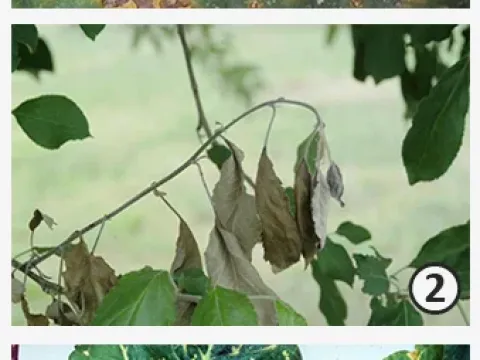
Typical symptoms include chlorotic rings, necrotic spots, and lines on the leaf surface. Necrotic areas may drop out, giving the leaves a ragged or shothole appearance.
Infected trees may show stunted growth, reduced vigor, and shortened internodes. Severe cases exhibit dieback of shoots and a general reduction in the overall life span of the tree.
The primary control measure is the exclusive use of virus-indexed, certified nursery stock for establishing new plantations. Prevention is far more effective than curative measures.
Management involves the removal and destruction of symptomatic trees to limit the spread of the virus within the orchard. Furthermore, practicing strict sanitation during pruning and maintenance, such as disinfecting tools between trees, is essential to prevent mechanical transmission.