
Pseudomonas
Pseudomas
Description
How to identify
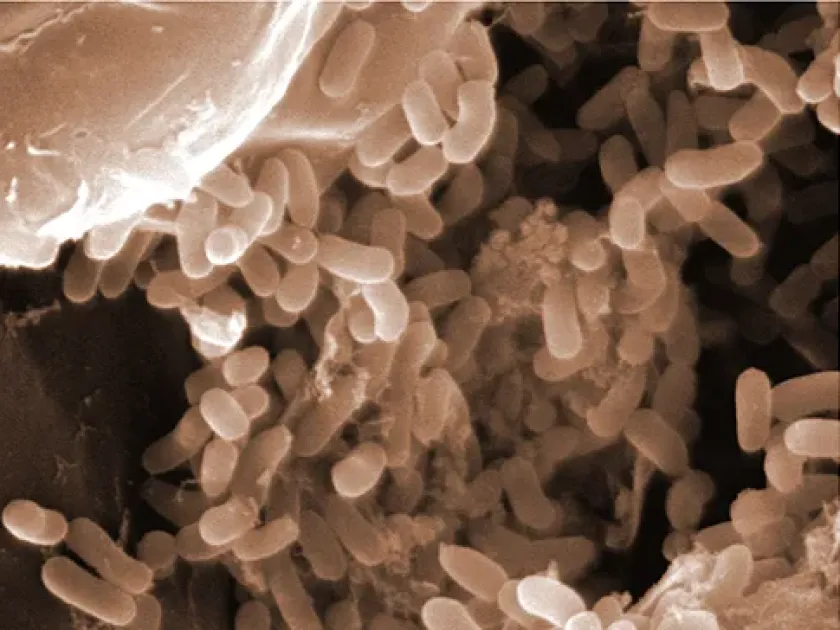
The genus Pseudomonas consists of Gram-negative, rod-shaped bacteria characterized by polar flagella, which provide them with motility. While many species are harmless, some are notorious plant pathogens capable of causing devastating agricultural losses.
Taxonomically, these organisms belong to the kingdom Bacteria and the phylum Pseudomonadota. Key phytopathogenic species include Pseudomonas syringae, which impacts a vast array of crops, and Pseudomonas marginalis, a common agent of soft rot.
The life cycle of these pathogens is closely linked to their ability to inhabit plant tissues, particularly intercellular spaces. They utilize various mechanisms, such as the secretion of phytotoxins and plant cell wall-degrading enzymes, to weaken the host and thrive.
In laboratory conditions, Pseudomonas colonies often produce characteristic pigments, such as the fluorescent pyoverdine, which aids in identification. However, field diagnostics often rely on the observation of distinct symptoms rather than visual culture identification.
These bacteria are highly adaptable and can form biofilms, which protect them from environmental stress, disinfectants, and antibiotics. This persistence makes them difficult to eradicate from greenhouses and fields once an outbreak occurs.
What it damages
Pseudomonas species affect a wide range of hosts, including vegetables, fruits, cereals, and ornamental plants. Crops such as tomatoes, cucumbers, beans, citrus, and wheat are particularly vulnerable to various bacterial infections.
Damage typically manifests as leaf spots, blight, and rot. These symptoms reduce the photosynthetic area of the plant, which in turn leads to poor development, reduced yields, and significant financial losses for producers.
Bacterial blight can cause rapid death of young shoots and leaves. In severe cases, the entire plant may wilt due to the destruction of the vascular system or the invasion of stems by the pathogen.
Fruit crops often suffer from surface lesions that diminish their market value. Furthermore, these bacteria are major contributors to post-harvest soft rots, causing produce to liquefy and emit foul odors during storage and transportation.
In cereal crops, Pseudomonas infections interfere with grain filling and maturation. The presence of these pathogens in seed stocks is particularly dangerous, as it ensures the spread of the disease to new planting sites the following season.
When it appears
The spread of Pseudomonas is heavily influenced by environmental conditions, particularly humidity and temperature. They thrive in wet, moderate conditions, making rainy spring and autumn periods prime times for infection.
Primary inoculum usually originates from infected plant debris, contaminated soil, or infected seeds. As temperatures rise in the spring, the bacteria become active, moving into the plant through wounds or natural openings like stomata.
Summer outbreaks are often exacerbated by irrigation practices that keep foliage wet for prolonged periods. Rainfall and wind-driven water droplets are the primary drivers of secondary spread within a crop canopy.
Insects play a critical role as mechanical vectors, moving the bacteria from infected tissues to healthy plants while feeding. This makes the timing of pest control an essential component of disease management in agricultural fields.
During the winter, the pathogen survives in a dormant state within crop residues, weed hosts, or protected seed stores. As soon as environmental conditions improve, the life cycle of the bacteria begins anew, targeting the next season's crop.
Signs of infestation
The most common initial sign of a Pseudomonas infection is the appearance of small, water-soaked spots on leaves. These spots eventually turn necrotic, often showing a yellow "halo" surrounding the lesion.
Bacterial exudate is a diagnostic hallmark of these infections. Under high humidity, plants may show sticky droplets or a sheen on the surface of lesions, which are masses of bacteria extruded from the plant tissue.
Typical symptoms of Pseudomonas infections include:
- Water-soaked, angular leaf spots restricted by veins.
- Soft, mushy rot on fruits and vegetables with a characteristic foul odor.
- Bacterial blight causing wilting and dieback of branches.
- Vascular discoloration seen in the cross-section of stems.
- Gall or tumor formation on branches in some woody species.
Systemic symptoms occur when the bacteria migrate through the plant's vascular tissue, leading to general chlorosis, stunted growth, and eventually the death of the host plant if the infection is not halted.
Control measures
Controlling Pseudomonas requires an integrated pest management (IPM) strategy because bacterial diseases are difficult to "cure" once established. The use of pathogen-free, certified seeds is the most important preventive measure.
Cultural practices, including proper crop rotation and the destruction of infected plant residues, help reduce the amount of inoculum available in the soil. Avoiding overhead irrigation can also significantly decrease the spread of the bacteria.
Copper-based bactericides are the standard chemical intervention for protecting foliage. These treatments provide a protective barrier that prevents bacteria from entering the plant, though they are ineffective once the pathogen has colonized the interior tissues.
In greenhouses, maintaining low relative humidity through adequate ventilation is essential to discourage bacterial growth. Regular sanitation of tools and equipment prevents the mechanical spread of the bacteria between plants.
Biological control agents, such as beneficial strains of Bacillus subtilis, are increasingly used to colonize plant surfaces and outcompete Pseudomonas pathogens, providing an environmentally friendly layer of protection.
Causes diseases · 1
Discussion
No discussions yet — be the first.