
Pleospora herbarum
Pleospora herbarum
Pleospora herbarum is an ascomycete fungus (class Dothideomycetes) known for being a broad-spectrum polyphage. It affects over 250 species of plants, ranging from commercial crops to ornamental species.
What the section contains
Pleospora herbarum
The life cycle involves both sexual stages (perithecia with ascospores) and asexual stages (conidia). The asexual stage, formerly identified as Stemphylium botryosum, is the primary source of spread during the growing season.
The fungus overwinters as mycelium and spores on crop debris, in soil, or on seeds. Wind, rain splashes, and insect activity are the main vectors for disease dissemination.
Development is favored by high humidity and moderate temperatures between +15°C and +25°C. The pathogen enters plants through natural openings like stomata or through existing wounds.
The mycelium is septate, and the conidiophores have a distinctive dark color, often creating an olive-green or blackish velvet-like appearance on infected plant tissues.
This pathogen causes significant damage to various crops, including onions, tomatoes, legumes, and cereals. It is particularly devastating in environments with high moisture levels.
The primary impact is the loss of photosynthetic area due to extensive spotting and necrosis on leaves, leading to reduced plant vigor and lower yields.
Infected seeds often show reduced germination rates, and the pathogen can become systemic in some plants, leading to weakened growth and susceptibility to other diseases.
Post-harvest storage rot is a major economic threat. Fruits and bulbs can rapidly develop deep necrotic lesions, rendering them unsuitable for sale or long-term storage.
Severe infections in seed crops can lead to complete loss of yield, making disease management essential for seed production and quality assurance.
Primary infection typically starts in the spring as soon as temperatures rise and moisture becomes available, triggering the germination of overwintering structures.
Secondary infection cycles occur throughout the growing season. Under favorable humid conditions, new conidia can be produced every 7–10 days, leading to rapid disease spread.
Risk is highest during prolonged rainy periods or high-humidity spells. These conditions allow for multiple waves of infection that can affect various parts of the plant at different growth stages.
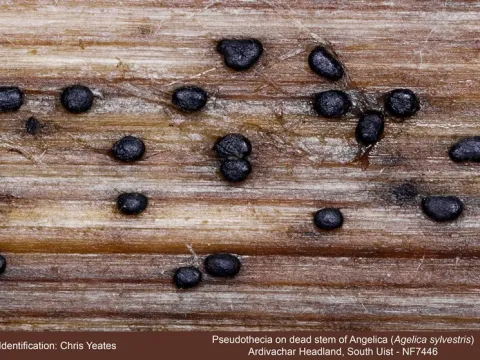
Autumn marks the transition as the fungus prepares for winter. It colonizes dying plant matter, forming perithecia that survive in soil or debris until the next season.
Monitoring throughout the vegetative cycle is crucial to detect initial outbreaks, particularly in high-density plantings where air circulation is limited.
Initial symptoms are characterized by small chlorotic or light brown spots on leaves, which gradually enlarge to form concentric patterns.
As the disease progresses, these spots darken, often becoming olive or dark brown due to the heavy production of conidia by the fungus.
Stems and petioles often show elongated necrotic lesions, which can weaken the plant structure and lead to lodging or snapping under windy conditions.
Under humid conditions, a velvety dark layer of fungal growth is often visible on the surface of the lesions.
- Curling and yellowing of leaves.
- Presence of dark-spotted necrotic lesions.
- Pre-mature leaf senescence.
- Soft or dry rot development on fruits and storage organs.
Integrated Pest Management (IPM) is essential. Cultural practices such as crop rotation and the thorough removal of crop residues are fundamental in breaking the fungal life cycle.
Using healthy, certified seeds is the first line of defense. Seed treatment with appropriate fungicides helps prevent the introduction of the pathogen into new areas.
Chemical control is effective when applied early. Fungicides from the triazole or strobilurin classes are often recommended, particularly when weather forecasts predict high humidity.
Improving field management, such as maintaining proper plant spacing to improve airflow and controlling weed reservoirs, significantly lowers disease pressure.
In greenhouse environments, strict climate control and regular disinfection of equipment and structures are critical to preventing Pleospora herbarum outbreaks.