
Hormodendrum
Hormodendrum
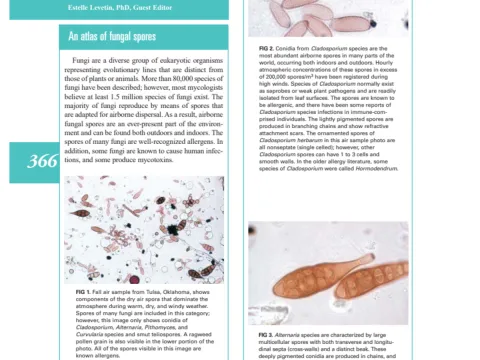
Hormodendrum is a genus of imperfect fungi, which is widely recognized in modern taxonomy as a synonym for Cladosporium. It belongs to the division Ascomycota.
What the section contains
Hormodendrum
The mycelium of the fungus is characterized by septate, olive-brown hyphae. It reproduces asexually through conidia that form in distinct chains.
The branching conidiophores exhibit a tree-like structure, which historically served as the basis for the genus name.
This fungus is ubiquitous in the environment, inhabiting soil, decaying organic matter, and surface tissues of various plants.
In laboratory cultures, it produces dense, velvety colonies that typically range from dark green to black, reflecting the pigment of its spores.
Hormodendrum affects a wide array of crops, including cereals, vegetables, fruits, and ornamental plants, often acting as an opportunistic pathogen.
It causes significant post-harvest losses, particularly in fruits like tomatoes, grapes, and berries, where it develops into surface mold.
The fungus invades plant tissues through mechanical injuries or natural pores, leading to the decay of leaves, stems, and fruits.
In cereals, it can cause black point disease, which compromises the seed embryo, reducing germination rates and overall crop yield quality.
It can also damage forest trees, causing bark necrosis and the dieback of young, vulnerable shoots when conditions are overly humid.
The pathogen thrives during periods of high humidity and moderate temperatures, making it a common threat throughout the growing season.
It overwinters in soil, on plant debris, or as dormant mycelium within the structure of perennial plants, awaiting favorable conditions.
Conidia are dispersed by wind and splashing water, leading to primary infections during the spring and secondary infections throughout the summer.
In storage facilities, the fungus is active year-round if humidity levels exceed recommended thresholds and air circulation is poor.
Frequent rainfall and high morning dew on crop foliage significantly accelerate the spread of the disease within agricultural fields.
The primary symptom is the appearance of irregular necrotic spots, which gradually darken and become covered in a characteristic olive-black powdery bloom.
Fruit decay is characterized by soft, sunken spots that expand rapidly, eventually turning into a dark moldy layer on the surface of the produce.
Foliage symptoms include chlorosis (yellowing), wilting, and eventual necrosis, leading to premature leaf drop and reduced plant vigor.
- Olive-black sporulation bloom on leaf surfaces.
- Sunken dark spots on harvested fruits.
- Seed discoloration and embryo damage in grains.
- Dieback of young shoots and stems.
Severe infestations manifest as extensive dark patches that effectively inhibit the plant's ability to photosynthesize, eventually killing the tissue.
Effective management begins with strict sanitation, including the prompt removal and destruction of crop residues where the fungus persists.
Implementing proper crop rotation helps disrupt the life cycle of the pathogen and prevents the buildup of inoculums in the soil.
Chemical control involves the application of appropriate fungicides, such as copper-based products or triazoles, especially under humid conditions.
Ensuring optimal aeration and low humidity in warehouses and greenhouses is critical to preventing post-harvest development of the fungus.
Cultivating resistant varieties and practicing proper plant spacing are essential strategies to limit the microclimatic conditions favored by the fungus.