
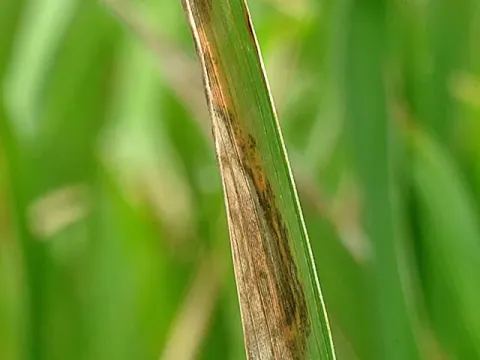
Gerlachia oryzae
Gerlachia oryzae
Gerlachia oryzae (synonym Microdochium oryzae) is a microscopic pathogenic fungus belonging to the Ascomycota division, known primarily for causing leaf spot diseases in rice crops.
What the section contains
Gerlachia oryzae
Taxonomically, this organism is classified within the Nectriaceae family. It exists as a filamentous fungus capable of producing large numbers of conidia to facilitate rapid dispersal.
The fungus is characterized by its ability to persist in diverse environmental conditions, primarily utilizing infected plant debris and seeds as its main survival niches.
Microscopic identification of Gerlachia oryzae reveals distinctive conidial structures, which are essential for diagnostic confirmation in pathological laboratory assessments.
Understanding the fundamental biology of this pathogen is crucial for rice producers to implement effective field scouting and disease management programs.
The primary host for this pathogen is rice (Oryza sativa). The disease affects the foliage, leading to necrosis and premature senescence of the leaves.
By compromising the photosynthetic efficiency of the plant, the fungus reduces the accumulation of dry matter, which directly correlates to lower yield and reduced grain filling.
Severe infestations can lead to significant economic losses, especially in regions with high humidity where the fungus can spread rapidly across large fields.
Beyond leaf damage, the fungus may infect leaf sheaths, further stressing the plant and potentially opening entry points for secondary opportunistic pathogens.
Quality of the final harvest is often degraded, as plants struggling with infection produce smaller, thinner grains compared to healthy, non-infected rice crops.
The development and proliferation of Gerlachia oryzae are heavily dependent on warm temperatures and sustained periods of high humidity or leaf wetness.
Epidemics are most likely to occur during rainy seasons, as water droplets facilitate the spread of spores from the soil and debris onto the lower leaves of the crop.
Optimal conditions for fungal growth and sporulation range between 20°C and 25°C, allowing the disease to cycle quickly within a single growing season.
The pathogen overwinters as mycelium or spores on rice stubble, volunteer rice, or infected seed, waiting for the return of favorable spring planting conditions.
Field scouting should be prioritized during the vegetative growth stages, as early infection can significantly alter the developmental trajectory of the rice plant.
The initial symptom of infection is the appearance of small, brownish spots on the leaves, which gradually enlarge and exhibit necrotic characteristics.
- Lesions typically show a light grey or straw-colored center surrounded by a dark brown margin.
- Presence of a pale fungal growth on the lesion surface in high-humidity environments.
- Leaf curling and yellowing (chlorosis) around the affected tissues as the disease progresses.
- Discoloration and rotting of leaf sheaths, which can weaken the plant's structural integrity.
- In severe cases, entire leaf blades may dry out and wither before grain maturity.
As the disease advances, the coalescing of smaller lesions into larger necrotic patches is a common indicator of a severe infection level within the rice field.
The primary strategy for controlling Gerlachia oryzae is the use of high-quality, certified seeds that are free from fungal pathogens.
Chemical seed treatment is a highly effective prophylactic measure, ensuring the crop starts its growth cycle without an immediate infection pressure from the seed surface.
Good agricultural practices, such as deep plowing and the removal of crop residues, help to significantly reduce the inoculum load in the field for the following season.
Fungicide application during the vegetative stage, particularly when weather conditions favor disease spread, is critical for protecting the foliage and maintaining plant health.
Balanced fertilization and water management are also important, as they help avoid excessive succulent growth, which can make the plants more susceptible to fungal entry.