
Diaporthe serafiniae
Diaporthe serafiniae
Diaporthe serafiniae is a fungal phytopathogen belonging to the kingdom Fungi, phylum Ascomycota, and genus Diaporthe. It is recognized as a significant agent causing severe diseases in various crops, most notably sunflower.
What the section contains
Diaporthe serafiniae
From a taxonomic perspective, this species is related to the complex of fungi responsible for diaporthe and phomopsis blights. The pathogen utilizes both sexual and asexual stages in its life cycle, allowing it to survive adverse conditions in crop residues and soil.
The primary host for this fungus is the sunflower. The pathogen infects vegetative parts of the plant, including stems, petioles, and heads, causing necrotic tissue decay and significant reduction in yields.
Beyond sunflower, species of the Diaporthe genus can persist on numerous weed species and other crops, acting as a reservoir for annual infections and complicating crop rotation efforts.
Initial infection typically occurs in the early stages of plant development when spores are dispersed by wind or splashing rain. The spread of the fungus is highly dependent on environmental conditions, particularly during the growing season.
Warm temperatures ranging from +20°C to +25°C combined with high humidity levels are optimal for the growth and colonization of the host tissue by the pathogen.
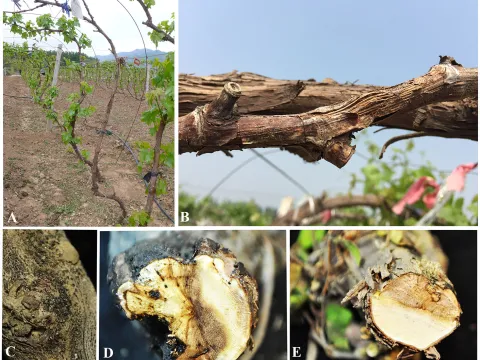
The infection begins with necrotic spots on the leaves, which then expand to the petioles. As the disease advances, it reaches the stems, causing the tissue to become brittle, discolored, and prone to breaking.
Internally, the colonization of the vascular system by the fungal mycelium impairs the plant's ability to transport water and nutrients, leading to premature wilting and the potential collapse of the sunflower head.
Management of Diaporthe serafiniae relies on integrated pest management practices. Crop rotation is essential to break the survival cycle of the fungus in the soil and residues.
- Selection of resistant sunflower hybrids.
- Deep plowing to bury infested plant debris.
- Application of systemic fungicides at critical growth stages.
- Rigorous weed control to eliminate alternative pathogen hosts.