
Diaporthe sclerotioides
Diaporthe sclerotioides
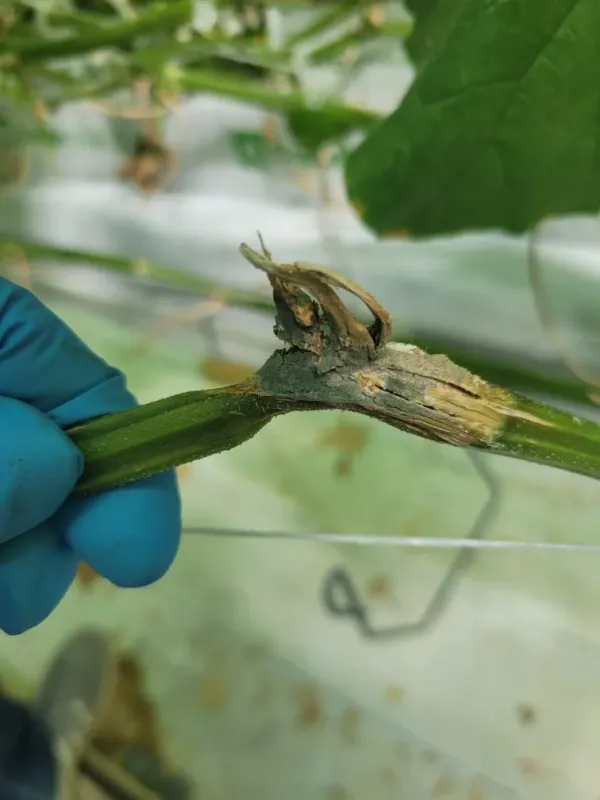
Description
How to identify
Diaporthe sclerotioides is a specialized fungal pathogen classified under the phylum Ascomycota. It is primarily recognized as a causal agent of severe root rot in various vegetable crops, particularly within greenhouse environments.
The pathogen is known for its persistence, surviving in the soil through sclerotia and mycelial remnants. These structures allow the fungus to remain viable for extended periods, even in the absence of a host crop, making eradication challenging.
As a member of the Diaporthales order, this fungus produces both asexual (conidia) and sexual (perithecia) reproductive structures. The sexual phase is particularly important for the survival and genetic diversity of the pathogen across different growing seasons.
Biological identification requires careful examination of infected root tissues. Laboratories typically use isolation methods on selective media to differentiate D. sclerotioides from other common root-rotting fungi found in agricultural soils.
Research indicates that this pathogen is highly adapted to the stable microclimates of indoor cultivation. Its ability to colonize host roots efficiently makes it a significant threat to sustainable vegetable production.
What it damages
The primary host for Diaporthe sclerotioides is the cucumber, but other cucurbit species are also susceptible. The fungus attacks the root system, causing extensive decay that prevents water and nutrient uptake.
Infected plants exhibit symptoms of systemic distress as the root system fails. This results in stunted growth, yellowing of the foliage, and eventually, the total collapse of the plant during the fruiting phase.
The destruction of root tissues severely compromises the plant's ability to withstand environmental stress. Even with optimal fertilization and irrigation, the plant cannot recover because the vascular transport system is damaged by the infection.
Economic impact is significant, as infections often spread through a greenhouse facility, leading to localized die-offs. The loss of yield and the costs associated with soil sanitization make it a costly problem for producers.
Damage is often most severe in the root crown, where the primary infection starts. From there, the mycelium spreads to lateral roots, effectively killing the entire underground network of the plant.
When it appears
Diaporthe sclerotioides can remain active throughout the entire year in greenhouses, as the artificial environment masks traditional seasonal limitations. The fungus remains in the soil, waiting for the introduction of a suitable host.
Infection cycles are largely driven by soil moisture levels. High humidity in the root zone provides the perfect conditions for the germination of sclerotia and the rapid growth of fungal hyphae towards the root surface.
Spore dispersal occurs predominantly through irrigation systems, drainage water, and physical movement of equipment or personnel across the growing area. These vectors ensure the pathogen remains present in the substrate.
During the off-season, the pathogen persists in the soil or in leftover root debris from the previous crop. It enters a dormant state until the next planting cycle begins, when the presence of new roots triggers renewed activity.
Optimal growth temperatures for the fungus generally fall within the standard range used for vegetable production, meaning the pathogen and the host share the same ideal environmental conditions.
Signs of infestation
The earliest signs include wilting of the lower leaves during the day, with partial recovery at night. This diurnal wilting is a classic indication of restricted water uptake due to compromised root health.
Examination of the roots reveals dark brown or black lesions, often starting near the crown. These lesions expand, leading to the rotting and softening of the root tissue, which may eventually become brittle.
Vascular browning is a common internal symptom. A cross-section of the main root often shows discoloration within the vascular bundles, indicating that the fungus has successfully colonized the conductive tissues.
Under high humidity, a thin, grayish-white mycelial mat may cover the surface of the infected roots. As the infection progresses, small black sclerotia emerge within the necrotic tissue, serving as resting structures.
- Yellowing and marginal necrosis of leaves.
- Irreversible wilting during peak sunlight hours.
- Dark brown lesions on the taproot and lateral roots.
- Softening of the root collar tissue.
- Reduced fruit production and overall plant decline.
Control measures
Crop rotation is the most effective cultural control method, though it is limited in greenhouse settings. Avoiding host crops for several seasons helps to naturally reduce the density of sclerotia in the soil.
Soil sterilization using steam or chemical fumigants is recommended between crop cycles. These methods are essential for eliminating resting structures and clearing the substrate for new plantings.
Implementing efficient drip irrigation is crucial to avoid excessive moisture in the root zone. Proper drainage helps manage the moisture levels that the fungus requires for infection and spread.
Utilizing grafting techniques with resistant rootstocks is a successful strategy for managing D. sclerotioides. Selecting rootstocks known for their resistance to root pathogens provides a physical barrier against infection.
Biocontrol agents, such as beneficial fungi from the Trichoderma genus, have shown promise in suppressing the growth of D. sclerotioides. Incorporating these into the substrate can create a more resilient rhizosphere.
Causes diseases · 1
Discussion
No discussions yet — be the first.