
Capnodium
Capnodium
Capnodium is a genus of fungi belonging to the class Dothideomycetes, commonly referred to as sooty molds. These organisms are not primary plant parasites; rather, they are saprotrophic fungi that colonize the surface of leaves, stems, and fruits.
What the section contains
Capnodium
The fungus develops specifically in environments enriched by honeydew, a sugary substance secreted by phloem-feeding insects such as aphids, whiteflies, scale insects, and mealybugs. The dark mycelium gives the plant a soot-covered appearance.
The genus includes numerous species, with Capnodium salicinum being one of the most prominent. These fungi do not penetrate the plant tissues deeply, but their dense, dark mats significantly impede the plant's normal physiological activities.
Microscopically, Capnodium is characterized by a network of dark, branched hyphae. It spreads via spores (conidia and ascospores) which are easily dispersed by wind, splashing water, or the movement of insect vectors across the foliage.
Identification is straightforward based on the black, velvet-like coating. However, it is essential to remember that the presence of Capnodium is a diagnostic indicator of an underlying infestation of sap-sucking insects that requires immediate intervention.
Capnodium affects a wide range of hosts, including citrus trees, grapes, roses, ornamental shrubs, and many indoor plants. The primary impact of the fungal mat is the blockage of sunlight reaching the leaf surface.
By covering the leaves, the fungus inhibits the process of photosynthesis. This deprivation of light causes the plant to become weak, leading to reduced growth, yellowing (chlorosis), and in severe cases, premature leaf drop.
The coating also clogs the stomata, which interferes with gas exchange and transpiration. This physiological stress makes the plant more susceptible to environmental factors and other secondary diseases.
In ornamental and commercial fruit production, the cosmetic damage caused by sooty mold is significant. Fruits covered in black crusts are unsightly and often require intensive cleaning, which can be labor-intensive and costly.
For young seedlings, a heavy infestation can be fatal as the delicate leaves are quickly overwhelmed by the fungal mat, causing significant developmental delays and reduced overall plant vigor.
The development of Capnodium is strictly synchronized with the life cycle of the host insects that produce honeydew. The infestation usually peaks during late spring and summer when insect populations are most active.
High humidity and moderate temperatures, ranging from +20 to +28 degrees Celsius, are optimal for the rapid germination and colonization of the fungus. In greenhouse environments, the disease can persist year-round.
Spores are easily moved by wind or water, particularly during heavy rainfall or overhead irrigation, which washes the honeydew and fungal spores onto healthy, unaffected parts of the plant.
During dry and hot weather, the growth of the fungus may slow down. However, the existing fungal mat often remains attached to the foliage, waiting for moisture to resume its expansion and production of new spores.
Poorly ventilated areas with high plant density create a microclimate that is extremely conducive to the rapid spread of sooty mold, necessitating regular monitoring of the garden or greenhouse.
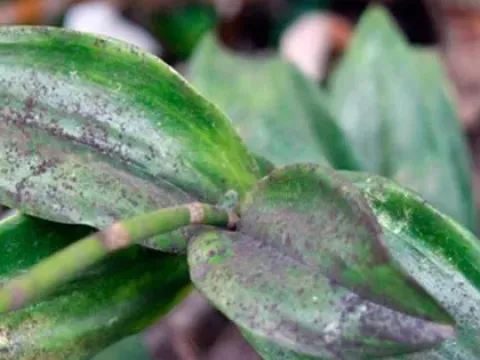
The most distinctive sign of Capnodium is the formation of a black or dark brown powdery or velvet-like coating on leaves, twigs, and fruits. Initially, the patches are small and scattered but eventually merge.
- Presence of sticky honeydew on leaf surfaces.
- Black soot-like dust that can be wiped off with a damp cloth.
- Presence of aphids, scale insects, or whiteflies on the underside of leaves.
- Reduced green color of leaves due to shading.
- Increased leaf fall on trees and shrubs during the growing season.
While the layer can be wiped off, the underlying tissue often remains discolored or paler than surrounding healthy leaves due to the prolonged absence of light during the infestation period.
The primary control strategy for Capnodium is to eliminate the sap-sucking insects that provide the necessary nutrients for the fungus. Without the honeydew, the fungus cannot thrive or spread.
Applying effective systemic insecticides to control aphids, scale insects, and whiteflies is the most successful way to stop the development of sooty mold at the source.
To remove the existing fungal crust, growers can use copper-based fungicides such as Bordeaux mixture or lime sulfur, which serve to clean the plant surface and disinfect the area, preventing reinfection.
Cultural practices are vital: proper pruning to improve air circulation and sunlight penetration helps dry out the canopy and prevents the accumulation of humidity that favors fungal growth.
After managing the pest population, it is beneficial to provide plants with balanced fertilization and growth stimulants to help them recover from the physiological stress and improve their natural defense mechanisms.