
Boron deficiency
Boron deficiency
Boron deficiency is a non-infectious physiological disorder that prevents plants from completing their normal life cycle. It is categorized as a micronutrient deficiency, resulting from the inability of plants to access sufficient levels of boron in the soil solution.
What the section contains
Boron deficiency
The deficiency primarily disrupts cellular division and elongation within meristematic tissues. Because boron is relatively immobile within the plant, symptoms appear first in the young leaves and terminal buds, leading to stunted growth.
Identification requires distinguishing this disorder from viral diseases or insect damage. Unlike viral pathogens, boron deficiency is often linked to specific soil conditions, such as high pH or excessive leaching in sandy soils.
Soil testing for water-soluble boron is the primary diagnostic tool. Agricultural consultants often look for specific "hot spots" in fields where soil organic matter levels are low, as these areas are most prone to deficiencies.
Plant tissue analysis provides the final confirmation. If tissue boron levels drop below the sufficiency threshold—usually 10–20 ppm depending on the species—remedial action must be taken to prevent significant yield degradation.
Boron deficiency affects a wide range of crops, with oilseeds, brassicas, and root crops showing the highest susceptibility. Crops like sugar beets, canola, and sunflower are classic indicators of boron availability issues.
In sugar beets, the deficiency manifests as heart rot, where the internal tissues of the root decay. This renders the crop commercially useless and prone to rapid deterioration during storage.
Sunflowers develop deformed heads with poor seed set. The stems become brittle and may snap under wind stress, drastically reducing the total oil yield per hectare for the farmer.
For brassicas like canola, the deficiency causes hollow stems and inhibited pod development. This increases the susceptibility of the plant to secondary pathogens that exploit the damaged, weakened tissues.
Fruit crops experience internal corking, where the flesh of the fruit develops hard, brown spots. This structural damage makes the fruit unmarketable and significantly reduces the overall harvest quality.
The disorder is most apparent during periods of rapid vegetative growth. Early spring conditions often reveal the initial signs, especially if soil temperatures remain low, hindering natural nutrient uptake by the roots.
Drought conditions significantly exacerbate boron deficiency. Since boron moves through the soil mainly by mass flow of water, dry conditions cut off the supply, leading to sudden, acute starvation of the plant.
The flowering phase is the most critical period. Even if a plant appears healthy early on, a shortage of boron during reproductive development will lead to flower abortion and failure of fertilization, resulting in "empty" pods or ears.
In regions with high rainfall, boron is easily leached from the upper soil layers. This creates a seasonal deficiency that requires proactive management, regardless of the initial boron content in the soil profile.
Post-harvest symptoms are often detected during processing or grading. The internal damage found in tubers and fruits is a permanent record of the stress the crop endured during the peak of the growing season.
The terminal bud (growing point) death is the hallmark sign of boron deficiency. The plant often tries to compensate by producing excessive side shoots, resulting in a stunted, bushy growth habit.
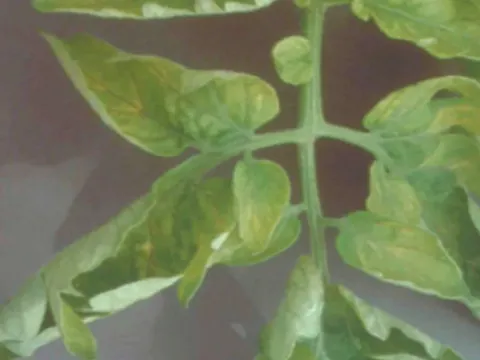
Leaves often become curled, thickened, and brittle. Interveinal chlorosis may appear, eventually transitioning into necrosis at the leaf margins, which is a sign of long-term cellular damage.
Root development is severely hampered. Plants exhibit short, stubby root systems with an absence of healthy root hairs, which impairs the uptake of water and other essential nutrients from the soil.
Flower and fruit development are severely disrupted. The blooms are often malformed or fail to develop entirely, leading to catastrophic reductions in fruit set and seed production.
Internal tissue breakdown, such as hollow spots in root vegetables or darkened internal vascular systems, indicates that the plant has been suffering from metabolic failure for a significant duration.
Soil application of boron-containing fertilizers is the long-term solution. Borax or refined boron products are commonly applied during pre-plant cultivation to ensure a steady supply throughout the growth cycle.
Foliar sprays are the most effective method for immediate relief. Applying boron during vegetative stages and just before flowering provides the plant with the nutrients it needs to complete reproductive development.
Managing soil pH is critical to control boron availability. On alkaline soils, applying acidifying agents or choosing specific fertilizers can increase the solubility and uptake of boron by the roots.
The use of boron-efficient cultivars can significantly mitigate the risk of crop failure. Modern genetic breeding has improved the capacity of certain hybrids to survive under lower boron concentrations.
Regular monitoring of soil and tissue levels should be a standard part of integrated crop management. Preventing the deficiency through balanced nutrition is more cost-effective than trying to rescue a failing crop later in the season.