
Plant viruses
Virus
Description
How to identify
Plant viruses are submicroscopic infectious agents consisting of a core of genetic material (DNA or RNA) protected by a protein capsid. They are obligate intracellular parasites that rely entirely on the host cell's machinery to replicate.
These pathogens do not have a cellular structure, which distinguishes them from bacteria or fungi. They are classified based on their genome type, capsid shape, and the specific hosts they infect.
Once inside a plant cell, the virus uncoats and utilizes the host's enzymes and resources to produce new viral proteins and replicate its genome. This process hijacks the cell, often leading to physiological breakdown.
Viruses are highly specialized and move through the plant's vascular system, specifically the phloem, causing systemic infection. They can survive in plant debris, soil, or even within the seeds of the host plant.
Detection often requires molecular techniques such as ELISA (Enzyme-Linked Immunosorbent Assay) or RT-PCR, as symptoms can be easily confused with nutrient deficiencies or environmental stress.
What it damages
Viruses cause significant economic losses in global agriculture by reducing crop quality and yield. Major crops like potatoes, tomatoes, cereal grains, and citrus are particularly susceptible to viral epidemics.
Transmission occurs primarily through insect vectors, including aphids, leafhoppers, whiteflies, and thrips. These insects transmit the virus while feeding on plant sap, moving it from infected to healthy plants.
Mechanical transmission is another major pathway. Farm machinery, pruning tools, and even human handling can transfer viral particles through contaminated sap if surfaces are not properly disinfected.
Seed-borne transmission is a critical issue for many crops. When infected seeds are planted, the resulting seedlings are diseased from the start, acting as a focal point for further spread within the field.
Weeds serve as natural reservoirs for many viruses. During the off-season, viruses remain in these perennial weeds, allowing vectors to pick them up and introduce them to new crops early in the growing season.
Signs of infestation
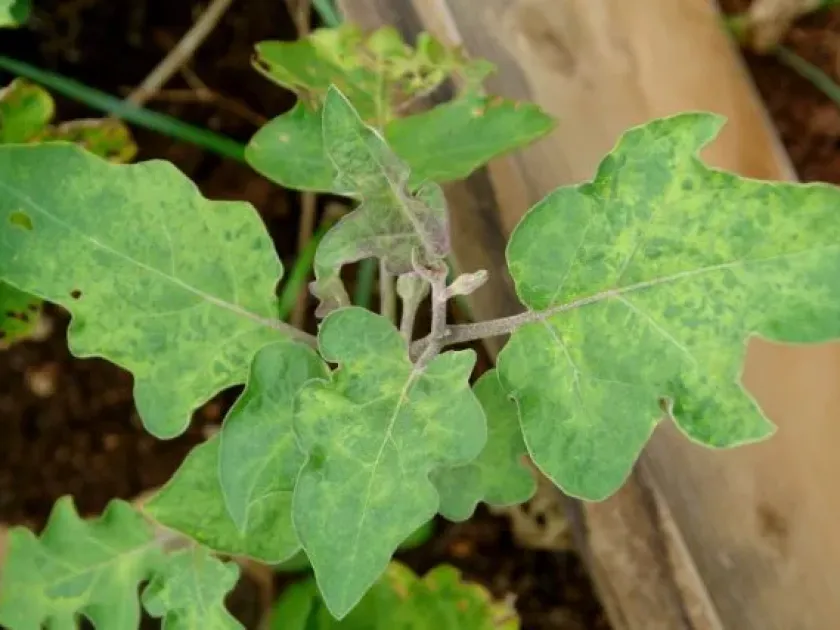
Mosaic patterns, characterized by variegated light and dark green or yellow patches, are the most common symptom of viral infection. This results from the destruction of chloroplasts and impaired photosynthesis.
Deformation of plant parts is frequently observed. This includes curled leaves, stunted growth, rosetting, and, in severe cases, the development of thread-like leaves that significantly reduce the plant's surface area for energy capture.
Necrotic spots or rings appear as dead tissue patches on leaves, stems, or fruit. This often leads to fruit drop and renders the remaining harvest unsalable due to disfigurement and poor shelf life.
- Mosaic patterns on foliage
- Leaf curling and deformation
- Stunted growth and dwarfing
- Chlorotic or necrotic ringspots
- Flower color breaking (variegation)
Reproductive organs may also be affected, leading to sterile flowers or significantly reduced seed set. In many cases, the entire plant structure collapses, leading to premature senescence and crop failure.
Control measures
Managing plant viruses relies on prevention since no chemical treatment can "cure" an infected plant. The primary strategy is to use certified, virus-free planting stock and disease-resistant cultivars.
Controlling insect vectors is vital. Integrated Pest Management (IPM) programs utilize timely insecticide applications or physical barriers like row covers to prevent vectors from reaching susceptible crops.
Sanitation practices are essential to minimize spread. This includes disinfecting tools between plants, removing infected individuals, and maintaining weed-free fields to eliminate viral reservoirs.
Crop rotation and spatial isolation of new plantings from older, infected fields can significantly delay the onset of viral infections. Maintaining optimal plant health can also improve the plant's ability to tolerate low-level infections.
In greenhouses and nursery settings, rigorous monitoring and early detection protocols are the best defense. Rapid diagnostic testing allows for the quick removal of infected plants before the virus can spread to the rest of the batch.
Causes diseases · 2
Discussion
No discussions yet — be the first.