
Description
Symptoms
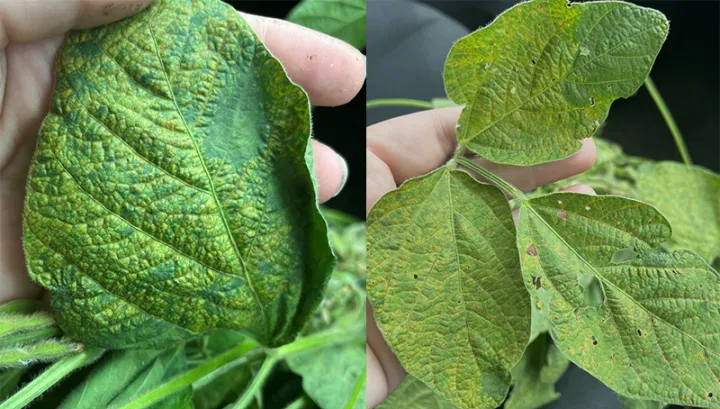
The primary symptom of the disease is the appearance of distinct chlorotic streaks on the leaves of the affected plants. These streaks typically run parallel to the veins and range in color from pale yellow to whitish, indicating a localized loss of chlorophyll within the leaf tissue.
During the early stages of infection, plants exhibit stunted growth, with a noticeable reduction in the rate of biomass production. Leaves may become narrower and shorter than those of healthy specimens, leading to an overall distorted appearance of the plant canopy.
As the infection progresses, the chlorotic patches can coalesce, covering significant portions of the leaf surface. This loss of photosynthetic area severely weakens the plant and can lead to premature yellowing and necrosis of the foliage.
In sugarcane, symptoms are often characterized by a variegated pattern of alternating light and normal green streaks. Affected stalks may become brittle, and their sucrose content is significantly reduced, impacting the quality of the raw material.
For rice, the symptoms are frequently accompanied by a general chlorosis of the entire plant and a delay in heading. This often leads to poor grain filling in the panicles, causing significant yield losses for farmers.
Pathogen
The causative agent of chlorotic streak is a virus that systematically infects the host plant's vascular system. It spreads through the phloem, disrupting the translocation of essential nutrients and interfering with the plant's metabolic functions.
Transmission typically occurs via insect vectors that feed on plant sap. These vectors are critical to the disease cycle, as they pick up the virus from infected plants and introduce it into healthy tissues during the feeding process.
Biologically, the pathogen exploits the host's cellular machinery to replicate its viral genome. This redirection of resources exhausts the plant, contributing to the development of the characteristic leaf symptoms and physiological decline.
Infection often takes place during the active growing season when plants are highly vulnerable. The incubation period can vary based on environmental conditions and the resistance level of the specific cultivar being grown.
Laboratory diagnosis is essential for confirming the presence of the pathogen. Molecular techniques, such as PCR-based assays, are commonly used to detect the viral genome in leaf samples and distinguish it from other nutritional or fungal issues.
Conditions for development
Disease development is strongly linked to the activity levels of insect vectors. Warm and humid weather conditions promote rapid population growth of these vectors, which significantly increases the risk of an epidemic.
Planting density is a major factor in the spread of the virus. In high-density plantings, the virus can move easily from plant to plant due to overlapping foliage, which facilitates the transfer by insects.
Environmental stress, such as drought followed by excess moisture, weakens the natural resistance of the crops. Stressed plants are much more susceptible to infection and typically show more severe symptoms than healthy ones.
Weed hosts in the surrounding areas serve as reservoirs for the virus. Perennial grasses can harbor the virus throughout the winter, providing a source of primary inoculum that can infect new crops early in the season.
Improper fertilization, particularly excessive nitrogen, encourages rapid growth of soft, succulent tissues. This makes the plants more attractive to insect vectors, thereby increasing the likelihood of successful transmission of the virus.
Why it matters
The economic impact of chlorotic streak is primarily due to substantial yield losses. The disruption of photosynthesis prevents the plant from accumulating enough energy to produce quality grain or sugar-rich stalks.
In sugarcane production, the reduction in sugar accumulation directly impacts the profitability of the processing industry. The resulting raw material is of lower grade and requires more intensive processing to extract the sugar.
The quality of the produce is compromised by the physical damage to the leaves and stalks. Furthermore, infected plants are more prone to secondary infections from fungi and bacteria, which can cause further losses in the field.
Significant infestations often require farmers to perform expensive control measures or even replant large areas, increasing the cost of production. This represents a long-term threat to the viability of crop cultivation in endemic regions.
Widespread occurrence of the virus can alter the choice of varieties in a region, forcing farmers to move away from high-yielding but susceptible cultivars. This impacts the overall efficiency of the agricultural sector.
Protection
The most effective strategy for managing chlorotic streak is the cultivation of resistant varieties. Breeding programs that focus on developing cultivars with high levels of immunity to viral pathogens remain the cornerstone of disease control.
Controlling the population of insect vectors using targeted insecticides is a key management practice. Timely application can significantly limit the spread of the virus across the fields during the peak growth stages.
Cultural practices, such as removing weeds that serve as virus reservoirs and maintaining proper spacing, are essential. Field sanitation helps to break the disease cycle and reduces the initial inoculum present in the environment.
Using only certified, disease-free planting material is a mandatory requirement. Strict quarantine and testing procedures for imported materials prevent the introduction of the virus into new, clean areas.
- Regular field scouting to detect early symptoms of the disease.
- Rogueing infected plants to prevent further spread within the field.
- Optimizing soil fertility to keep plants robust and resilient.
- Using biological control agents to manage insect vector populations.
- Sanitizing farm machinery to prevent the transfer of vectors or contaminated sap.
Pathogens and affected parts
Affects crops · 2
Discussion
No discussions yet — be the first.