
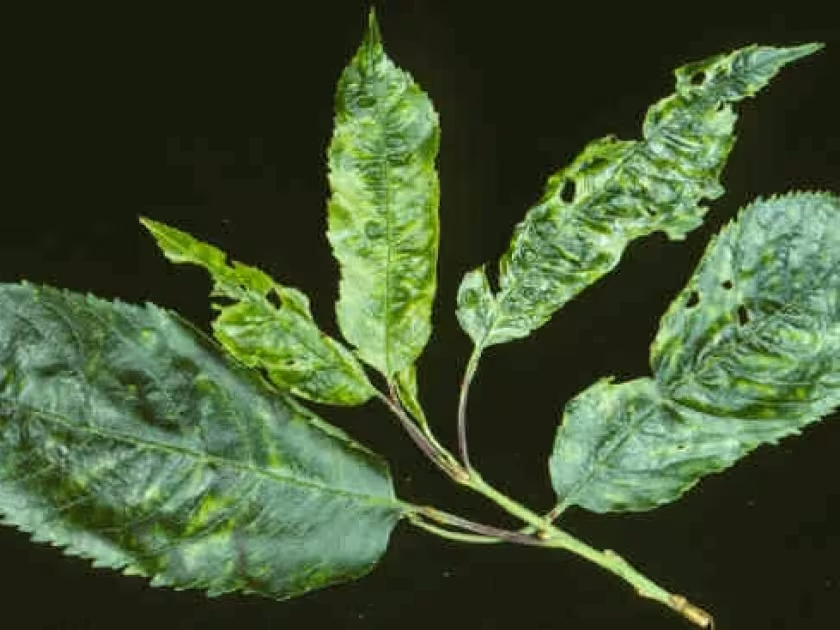
Description
Symptoms
The hallmark symptom of zonal canker is the appearance of depressed, discolored patches on the bark, which eventually transition into open, unsightly wounds.
As the cankers develop, they often exhibit a distinct zonal or concentric cracking pattern in the bark surrounding the infected area, giving the disease its common name.
Infected trees may show early warning signs such as premature yellowing and dropping of leaves, followed by the gradual dieback of entire branches above the canker site.
Removing a small portion of the dead bark in the infected area usually reveals stained or darkened wood and the presence of fine, fungal mycelium strands.
When cankers eventually girdle the trunk, the flow of nutrients and water is completely interrupted, leading to the rapid decline and death of the entire tree.
Pathogen
Zonal canker of elm is a destructive disease of the bark and cambium caused by the fungus Pleurostromella ulmi (formerly known as Pyrenochaeta ulmicola). It is a highly specialized pathogen that specifically targets trees of the genus Ulmus.
The disease is classified as a bark necrosis, characterized by the progressive death of tissue layers in the stems and branches of infected elm trees.
The fungus typically enters the host plant through mechanical wounds, frost cracks, or sites previously damaged by wood-boring insects.
Once established in the bark, the mycelium of the pathogen colonizes the cambium, leading to the formation of localized necrotic lesions that eventually develop into deep cankers.
The pathogen completes its life cycle by producing conidia, which are easily dispersed by rain splash and wind, allowing the disease to spread rapidly through a stand of trees.
Conditions for development
High humidity and consistent rainfall are the primary environmental factors that promote the growth and spore germination of the Pleurostromella ulmi fungus.
Trees that are already stressed due to drought, poor soil quality, or competition for light are significantly more susceptible to infection compared to vigorous trees.
Wounds caused by extreme winter temperatures (frost cracks) or heavy hail provide ideal entry points for the fungal spores to colonize the healthy internal tissues.
Dense, overcrowded planting sites facilitate the buildup of inoculum, allowing the fungus to move easily from one tree to the next through close contact.
The disease is most prevalent in regions with temperate climates where moisture levels remain high during the active growing season of the host tree.
Why it matters
Zonal canker poses a significant threat to the long-term viability of elm populations, leading to both aesthetic degradation and severe biological damage.
The disease weakens the structural integrity of the trunks, making infected trees highly dangerous in urban environments due to the risk of limb breakage or windthrow.
Once a tree is heavily infested, it often acts as a source of spores for the surrounding landscape, necessitating the removal of the tree to prevent a wider outbreak.
The economic impact is substantial, involving costs for arboricultural maintenance, removal of dead trees, and the loss of shade or ornamental value in parks and gardens.
Loss of mature elm specimens due to zonal canker can drastically alter the microclimate and biodiversity of affected wooded areas.
Protection
The most effective management strategy involves rigorous sanitation, including the prompt pruning and removal of any branches or trees showing symptoms of the disease.
Sterilization of all pruning tools using alcohol or bleach solutions between cuts is mandatory to prevent the accidental transfer of fungal spores to healthy tissue.
Applying copper-based fungicides to pruning wounds can provide a protective barrier against new infections during the susceptible growth periods.
Maintaining optimal tree health through regular watering during dry spells and appropriate fertilization helps to bolster the tree's natural defense mechanisms.
Monitoring for insect pests that cause bark damage is essential, as these pests often serve as vectors for fungal infections in the elm population.
Pathogens and affected parts
Affects crops · 1
Discussion
No discussions yet — be the first.