
Arracacha virus
Arracacha virus
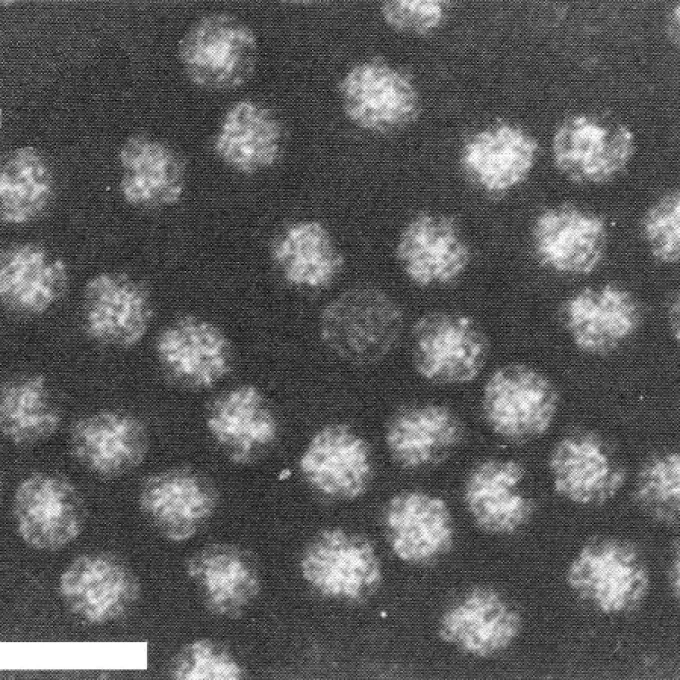
Description
How to identify
Arracacha virus A (AVA) is a plant pathogenic virus belonging to the genus Nepovirus, family Secoviridae. It is an icosahedral virus containing a positive-sense single-stranded RNA genome.
The virus was originally identified in Arracacia xanthorrhiza (arracacha), a root vegetable. It acts as an obligate parasite, relying on the host's cellular mechanisms for replication.
Systemically, the virus spreads through the plant's vascular system, causing disturbances in physiological processes. It is highly adapted to infecting tuberous and root-bearing species.
The physical stability of the virus allows it to persist within vegetative tissues, making it easily transmissible through infected tubers or cuttings used for propagation.
Accurate detection requires laboratory techniques such as ELISA (Enzyme-Linked Immunosorbent Assay) and RT-PCR, as field symptoms can often mimic other biotic and abiotic stress factors.
What it damages
The virus primarily affects arracacha and has been implicated in potato infections, causing significant losses in crop yield and quality. It leads to the degeneration of planting stock over successive seasons.
Infected plants show reduced vigor, stunted growth, and a marked decrease in the number and size of tubers. The quality of the harvested produce is severely degraded.
Economic damage includes total loss of tuber value for market and food consumption. Infected crops cannot be used for further propagation, necessitating costly replacement of healthy stock.
The virus can also infect various weed species, which serve as natural reservoirs, maintaining the presence of the pathogen in the environment during the non-growing season.
By interfering with photosynthesis and nutrient transport, the virus forces the plant into a state of chronic decline, significantly impacting the biomass production of the crops.
Signs of infestation
Common symptoms include chlorotic mosaics, spotting, and distortion of leaves. Infected leaves often become brittle or exhibit asymmetrical growth patterns.
Stunting is a hallmark of Arracacha virus infection. Affected plants display shorter internodes and reduced height, resulting in a bushy or cramped appearance during the early stages of growth.
Vascular necrosis is frequently observed within the storage roots or tubers. These tissues show darkened spots or necrotic streaks when cut, rendering the tubers unmarketable.
Overall plant development is severely hindered, often resulting in premature senescence and the failure of the plant to complete its reproductive cycle effectively.
- Chlorotic mosaic patterns on foliage.
- Deformation and leaf curling.
- Significant plant stunting.
- Internal necrosis in tubers and roots.
Control measures
The most effective control strategy is the use of virus-free certified planting material, often produced through meristem-tip culture to ensure the absence of viral particles.
Because the virus is transmitted by soil-dwelling nematodes (Longidorus species), soil sanitation and the use of nematicides are essential components of a robust control program.
Phytosanitary practices, such as the rogueing of infected plants and the thorough removal of crop residues, help to minimize the spread of the virus within the field during the growing season.
Implementing crop rotation with non-host species helps reduce the populations of nematode vectors, thereby lowering the risk of subsequent infection in the following seasons.
Regular field monitoring and weed management are critical to eliminate alternative hosts that may harbor the virus, thus preventing the build-up of the pathogen in agricultural areas.
Causes diseases · 1
Discussion
No discussions yet — be the first.