
Apple mosaic
Apple mosaic
Description
How to identify
Apple mosaic virus (ApMV) is a significant plant pathogen belonging to the genus Ilarvirus within the Bromoviridae family. It is a systemic virus that colonizes the phloem and spreads throughout the host tree.
The virus consists of isometric particles containing a tripartite single-stranded RNA genome. Unlike many other plant viruses, it lacks specific insect vectors, making its transmission pattern distinct and largely human-mediated.
Transmission primarily occurs through the use of infected scion wood and rootstocks during grafting operations in nurseries. It is considered a graft-transmissible disease that persists indefinitely within the host.
Mechanical transmission is a secondary but critical pathway for spreading in orchards, as contaminated pruning tools (knives, saws, shears) can easily transfer the virus from infected to healthy trees.
While natural spread via pollen or root grafting is documented, the primary concern for orchardists remains the quality of initial planting material and the hygiene practices followed during maintenance.
What it damages
Apple mosaic affects a broad range of hosts beyond apple trees, including pears, plums, cherries, hops, raspberries, and roses. This wide host range makes it a persistent threat in diverse agricultural landscapes.
The economic impact of ApMV is primarily driven by a significant reduction in overall yield. Infected trees often exhibit decreased photosynthetic activity, leading to lower energy stores and reduced fruit set.
Trees infected with the virus show stunted vegetative growth and reduced vigor. This weakened state makes them more susceptible to abiotic stressors, particularly cold weather, which can lead to winter injury and dieback.
Fruit quality is also negatively affected; infected trees typically produce smaller fruits with poor skin finish and reduced sugar content, which severely lowers their marketability and commercial value.
In nursery settings, systemic infection leads to the rejection of entire batches of saplings. A single infected mother tree can propagate the virus to thousands of young trees, creating a long-term problem for growers.
Signs of infestation
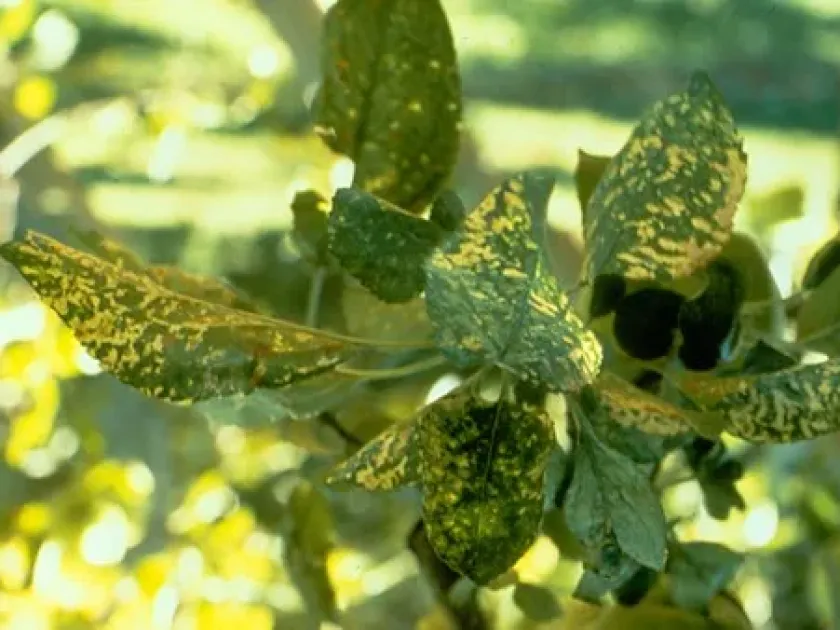
The classic symptom of Apple mosaic is the appearance of chlorotic spots, blotches, or irregular bands on the leaves. These patterns are typically yellow or cream-colored, creating the characteristic "mosaic" appearance.
Symptoms are most visible in the spring, shortly after leaf emergence. As temperatures rise during the summer months, the chlorosis may fade or become less distinct, though the virus remains present within the plant tissues.
In addition to discoloration, leaves may show signs of curling, crinkling, or general deformity. The growth of new shoots is often retarded, leading to shorter internodes and a sparse canopy in severely affected trees.
Some apple cultivars may be asymptomatic carriers, meaning they show no visual signs of infection while serving as a reservoir for the virus. This latency complicates detection and disease management in orchards.
- Yellow or cream-colored mosaic patterns on leaves.
- Leaf distortion, curling, and abnormal shape.
- Stunted shoot growth and shortened internodes.
- Reduced fruit size and poor coloration.
- Premature leaf drop in sensitive varieties.
Control measures
The cornerstone of managing Apple mosaic is the strict use of virus-free nursery stock. Growers must source planting material from certified programs that employ tissue culture and heat therapy to eliminate viruses.
Sanitation practices are vital in the orchard. All pruning tools must be thoroughly disinfected using alcohol or bleach solutions between trees to prevent the mechanical transmission of viral particles through sap.
Removal of symptomatic trees is necessary to limit the spread of the virus within the orchard. Infected trees should be grubbed up and removed entirely, including as much of the root system as possible.
Maintaining optimal tree vigor through balanced nutrition and proper site selection helps trees manage the stress caused by the virus, although it cannot "cure" the infection once it has taken root.
Regular monitoring for symptoms, particularly during early spring, is essential. Early detection allows for the removal of infected trees before the virus can be spread to neighboring healthy plants by grafting tools or root contacts.
Causes diseases · 4
Discussion
No discussions yet — be the first.