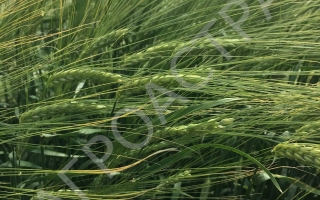
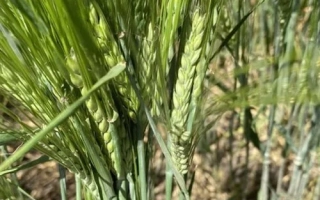
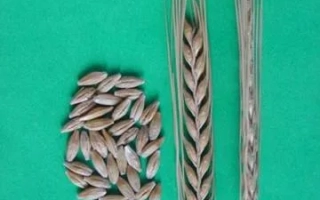
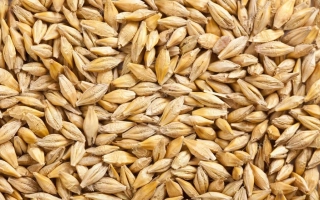
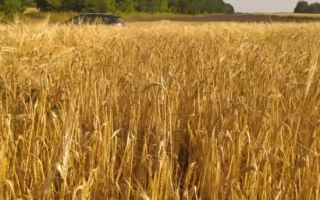
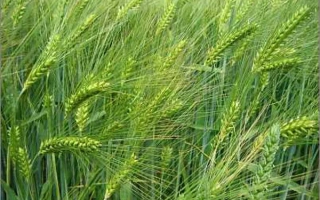
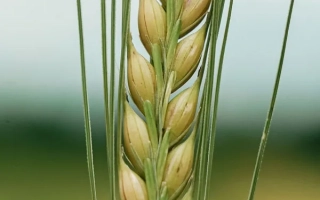
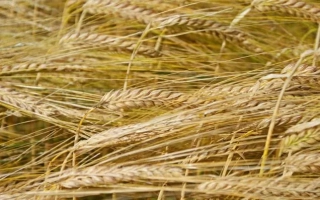
The spring barley variety Raushan is a mid-early and medium-stature variety characterized by high and stable yield. The vegetation period is 71-83 days, making it mature 1-2 days later than the variety Preria. The plant features a semi-erect bush and a cylindrical, loose ear with long awns bearing medium to strong anthocyanin pigmentation. The grain is large, featuring an un-hairy ventral groove and a ciliate lodicule. The variety shows medium resistance to lodging and strong waxy coating on the sheaths of lower leaves. Raushan possesses genetic resistance to powdery scab due to the presence of the Run 15 gene, which significantly reduces infection from this disease. However, the variety is susceptible to stem rust and helminthosporium leaf spots, so mandatory seed treatment before sowing is recommended. The variety is included in the list of valuable varieties for quality and is suitable for cultivation in various regions of Russia, including the Northern, Central, Volga-Vyatka, and Middle Volga regions. It is well-adapted to unstable weather conditions and exhibits increased drought tolerance compared to the Preria variety. Raushan is highly ecologically plastic and responsive to the application of mineral fertilizers, especially nitrogen ones, which contributes to the formation of a leveled tiller stand suitable for direct combine harvesting. The variety is versatile in application and can be used for brewing, grain-forage, and cereal purposes. Due to its qualities and stable productivity, Raushan covers significant sown areas, particularly in the Republic of Tatarstan, where in 2010 the sown area reached 167.6 thousand hectares.