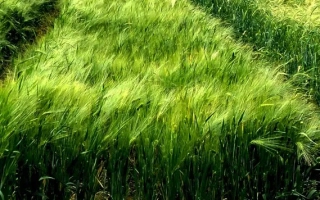
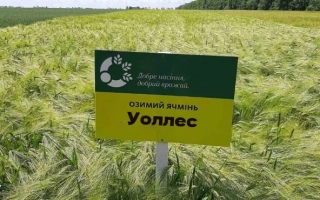
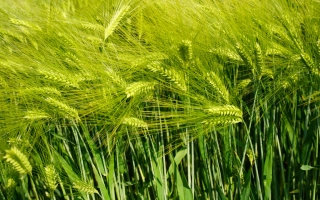
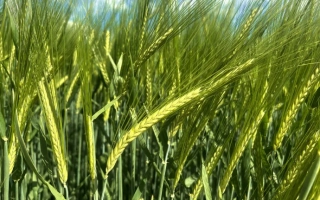
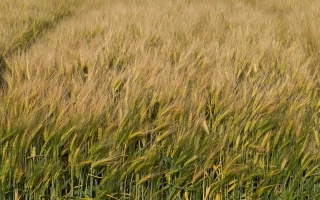
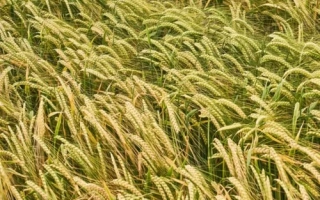
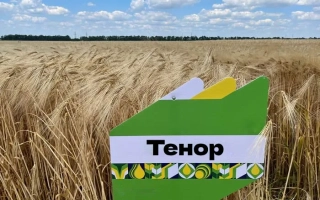
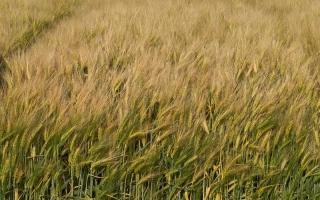
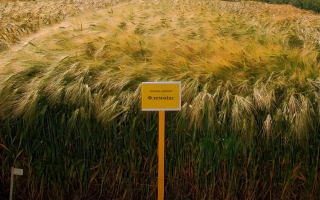
Barley variety Ernesta is characterized by a neutral photoperiod and belongs to early-maturing varieties with a vegetation period duration of 79 to 87 days. In Western Siberia and the Kemerovo region, this variety demonstrates a prolonged interphase period from emergence to heading, which allows the plant to better withstand spring-summer droughts. This feature contributes to maintaining the number of total and productive tillers, positively affecting grain yield.
For successful cultivation of barley Ernesta, adequate soil moisture is essential, especially during the formation of the secondary root system and reproductive organs. Water deficiency and high temperatures in the early vegetative stage may lead to reduced yield, therefore optimal agronomic conditions play a crucial role in ensuring the high productive potential of the variety.
Moreover, barley Ernesta can be used for fodder purposes, particularly as silage at the milk-wax ripeness stage of grain. Studies show that including such silage in cow rations positively affects milk productivity, metabolism, and overall physiological condition of animals. Rations containing up to 60% silage or haylage briquettes ensure complete nutrition and contribute to improved feeding efficiency throughout different seasons.