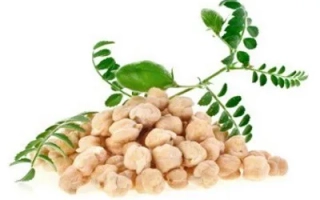
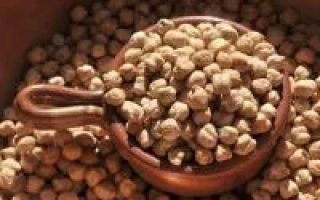
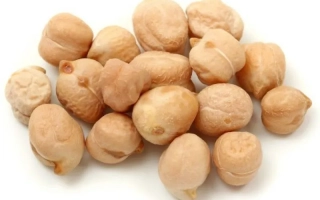
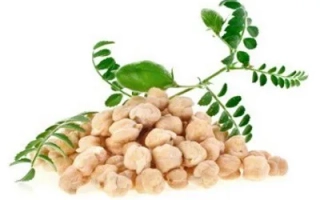
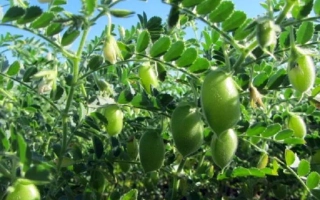
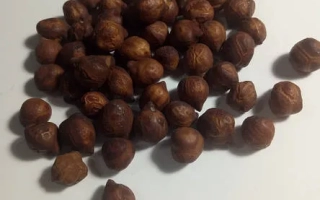
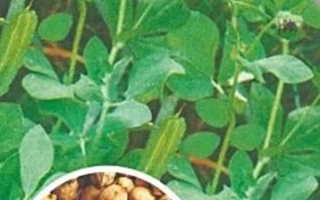
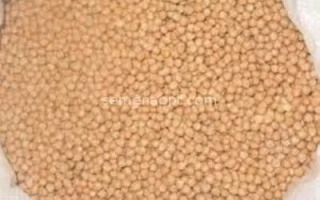
Pea, also known as Turkish or goat pea, is an annual plant of the legume family. Its pods are round and milky in color, with a slightly nutty flavor and refreshing aftertaste. Originally from Asia, pea is now cultivated in various regions, including Africa, India, Eastern Europe, Central and Middle Asia, as well as Mediterranean countries. Pea is a valuable source of plant-based protein and fats, making it especially popular among vegetarians and those observing fasting.
Pea has high nutritional value: it contains a large amount of protein, carbohydrates, B and E vitamins, amino acids, dietary fiber, and trace elements. The calorie content is about 320 kcal per 100 grams, allowing for quick satiety with moderate consumption. Due to its rich composition, pea helps cleanse the body, strengthen immunity, normalize metabolism, and improve intestinal function. In particular, methionine found in pea helps lower cholesterol levels and regulate blood sugar.
Pea is widely used in dietary nutrition and possesses therapeutic properties. It helps reduce inflammatory processes in the oral cavity, relieve lower back pain, and suppress arrhythmia episodes. Consuming pea dishes improves conditions in cases of anemia, jaundice, as well as liver and spleen disorders. Moreover, pea enhances digestion, relieves constipation, and suppresses the growth of putrefactive microflora in the intestines. However, consumption should be limited in cases of pancreas, liver, gastrointestinal tract diseases, and individual intolerance to legumes.