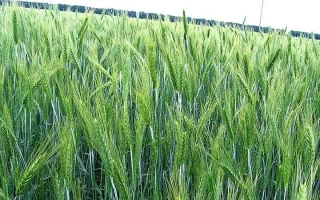
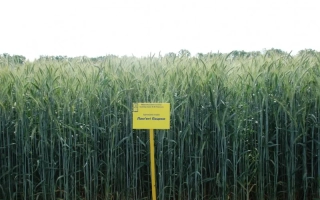
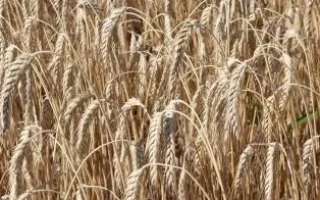
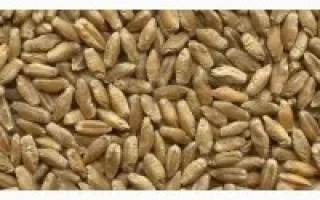
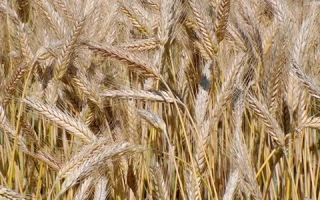
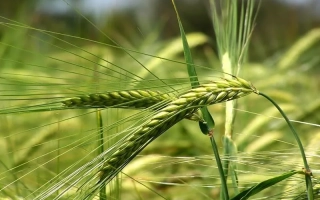
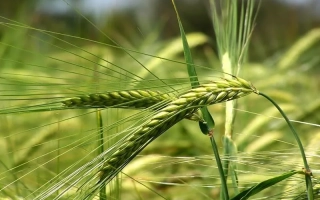
Triticale is an artificially created cereal and forage crop obtained by crossing wheat (Triticum) with rye (Secale). This hybrid combines the best agronomic and biological properties of its parent forms, including high yield potential for both grain and green mass. Due to enhanced adaptive qualities and resistance to fungal diseases, triticale is one of the most resilient and promising crops for the biologicalization of agricultural production.
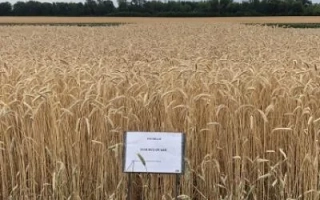
The Zlatoust variety is an winter type of triticale, intended for agricultural use. Its grain is used both in the food industry and for feed production, making it a versatile and in-demand product. High protein and lysine content in the grain, as well as essential nutrients in the green mass, provide additional value to this crop.
Moreover, Zlatoust triticale seeds are suitable for sprouting, which allows their use as a standalone beneficial product. Sprouting takes 5 to 8 days, during which the sprouts have a fresh grassy taste. Consuming sprouted seeds helps improve digestive function and aids in detoxifying the body by eliminating toxins and waste, making triticale not only an agricultural product but also a beneficial component of healthy eating.