

SKU #40274
·
44 views
Red Hunter
Tomato
NUNHEMSUser rating
0 votes0% positive reviews
No ratings yet — be the first.
Product Type
Seeds; Seed material
Plant Type
Determinant
Maturation Period
Up to 90 days
Fruit Weight
80-100 grams
Prices in stores
from1.3 €per 1000 seeds
pack from 0.12 € per 0.15 g
4 offers from 4 stores
Store offers · 4 from 4 stores
Prices are updated on loadLoading offers…
Available at: Перший Оптовий · All-market · Garbuzyatko · Greenmarket · Zakladka
Aggregator catalog: prices are collected automatically from store websites, normalized by AI and converted at the current exchange rate. Before ordering, confirm the price and availability on the store's website. This block is not indexed by search engines — the data is loaded after the page opens.
About product

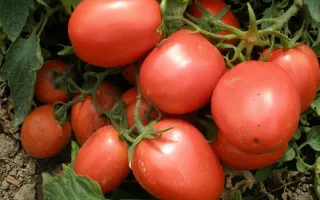
Red Hunter tomato is an early determinate variety with a vegetation period of 85-95 days. The plants are low-growing, compact, reaching up to 50 cm in height, and do not require pinching. The bushes are moderately leafy, with compact branches, and each cluster forms 5 to 7 fruits. The variety is characterized by high yield and resistance to such diseases as late blight, blossom end rot, and fusari…
Product Type
Seeds; Seed material
Plant Type
Determinant
Maturation Period
Up to 90 days
Fruit Weight
80-100 grams
Description
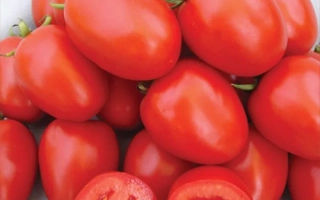
Red Hunter tomato is an early determinate variety with a vegetation period of 85-95 days. The plants are low-growing, compact, reaching up to 50 cm in height, and do not require pinching. The bushes are moderately leafy, with compact branches, and each cluster forms 5 to 7 fruits. The variety is characterized by high yield and resistance to such diseases as late blight, blossom end rot, and fusarium, making it a reliable choice for cultivation in various conditions, including open ground and greenhouses. The fruits of Red Hunter tomato have a plum or pear shape, weighing approximately 90-100 g. They are bright red, with dense and extremely strong skin, without a green spot at the stem end. The flesh is juicy, succulent, with a pleasant sweet taste and slight acidity. Due to the dense skin, the fruits withstand transportation well, without losing flavor or quality. Tomatoes are versatile in use: they can be eaten fresh, canned, processed into tomato paste (it is recommended to remove the skin and seeds), and also used for making soups, sauces, stews, juices, salads, and grilling. For successful cultivation of Red Hunter tomatoes, it is recommended to sow seeds or transplant seedlings after the threat of night frosts has passed and the soil has warmed sufficiently. Seedlings are better grown in special pots with fertilizers, and at the time of transplanting into the ground, the age of the seedlings should be 55-70 days. Throughout the entire vegetation period, plants require regular watering, soil loosening, weed control, and fertilization. Despite being low-growing, tomatoes require careful care and protection from diseases and pests to achieve maximum yield.
Crop & resistance
Crop
Disease resistance
Specifications hover over for a hint about the specification
| Product Type | |
|---|---|
| Plant Type | |
|
Maturation Period
Maturation Period
Vegetation period from emergence to technical maturity 30-50 days. |
Up to 90 days |
|
Fruit Weight
Fruit Weight
Tomato fruits are classified by weight as: very small — less than 20 grams; small — 20 — 50 grams; medium — 50 — 100 grams; large — 100 — 200 grams; very large — more than 200 grams. |
80-100 grams |
|
Fruit Shape
Fruit Shape
Modern tomato varieties have a diverse fruit shape: flat, flat-round, round, oval, elongated-oval, pear-shaped, plum-shaped, cube-shaped, and cylindrical. On poorly fertile soils and under unfavorable growing conditions, tomato fruits may take on a more rounded shape. |
|
|
Fruit Color
Fruit Color
The fruit color of tomato varieties is influenced by the combination of skin and flesh color. Some varieties have transparent skin, others — yellow. When combined differently, the fruits can acquire quite diverse colors. The fruit color is affected by pigments (lycopene) and thei... |
|
| Transportability | |
| Registration year | 1997 |
| Catalog | Catalog → Tomato |
| Manufacturer | NUNHEMS |
| Legal data |
Show · 4
|
| Country | Netherlands |
Not yet комментариев. Be the first!
Alternatives
Tomato seeds · similar varieties





See also
Often considered together with this variety




Roksolana F1
May-Agro Tohumculuk Sanayi ve Ticaret A.Ş.
032 3 offers
25.68 €per 1000 seeds ≈ 1 326 ₴

Recently viewed
Products you’ve viewed on this site
Reviews · 0