


SKU #40357
·
51 views
Forestay
Tomato
NUNHEMSUser rating
0 votes0% positive reviews
No ratings yet — be the first.
Product Type
Seeds; Seed material
Plant Type
Indeterminate
Maturation Period
100-120 days
Fruit Weight
More than 200 grams
About product

Large-fruited pink tomato of Dutch origin with excellent immunity and high marketability.
Product Type
Seeds; Seed material
Plant Type
Indeterminate
Maturation Period
100-120 days
Fruit Weight
More than 200 grams
Description
Betting on the Pink Segment: Why Forestey Remains a Benchmark
Dutch breeding by Nunhems has long established itself as a quality standard in professional vegetable growing. The pink-fruited tomato Forestey is the result of years of research, aimed at achieving a balance between market aesthetics and high productivity. In today's greenhouse industry, where every square meter must generate profit, this indeterminate hybrid has firmly secured its niche in the premium large-fruited tomato market.
Agronomic Profile and Protection
One of the key features of Forestey is its predictability in protected ground. With a ripening period of 100–120 days, the plant demonstrates vigorous growth, requiring precise pruning and training. The hybrid's greatest value lies in its genetic resistance to critical diseases that often cause major losses in plastic greenhouses:
- Fusarium Wilt: prevents sudden plant collapse at the peak of fruit-bearing.
- Cladosporium (Leaf Mold): allows the foliage to remain healthy even in high humidity, which is crucial for filling out large fruits.
Marketable Crop Characteristics
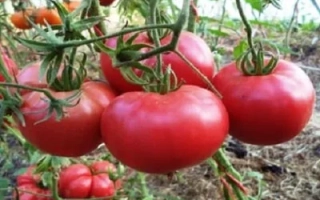
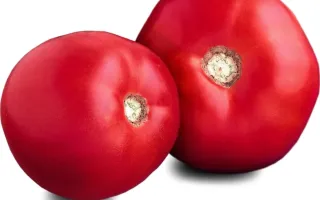
Forestey fruits stand out on the shelves primarily due to their shape and color. Their flat-round geometry combined with a characteristic glossy shine makes them highly attractive to consumers. With a fruit weight consistently exceeding 200 grams, this tomato is classified as a "beef-type," which is in high demand in both fresh markets and the restaurant industry. The pink color of the skin and flesh indicates a high sugar and organic acid content, creating that "authentic" taste that consumers value.
Application Recommendations
Forestey fits perfectly into the crop rotation of farms focused on high-quality early and mid-season production. The hybrid responds well to intensive agricultural practices but remains forgiving of minor management oversights, making it an excellent choice for both small farms and large-scale greenhouse enterprises. Thanks to its dense internal structure, the tomato handles transportation well, maintaining its commercial appearance for days after harvest.
Crop & resistance
Crop
Disease resistance
Specifications hover over for a hint about the specification
| Product Type | |
|---|---|
| Plant Type | |
|
Maturation Period
Maturation Period
Vegetation period from emergence to technical maturity 30-50 days. |
100-120 days |
|
Fruit Weight
Fruit Weight
Tomato fruits are classified by weight as: very small — less than 20 grams; small — 20 — 50 grams; medium — 50 — 100 grams; large — 100 — 200 grams; very large — more than 200 grams. |
More than 200 grams |
|
Fruit Shape
Fruit Shape
Modern tomato varieties have a diverse fruit shape: flat, flat-round, round, oval, elongated-oval, pear-shaped, plum-shaped, cube-shaped, and cylindrical. On poorly fertile soils and under unfavorable growing conditions, tomato fruits may take on a more rounded shape. |
|
|
Fruit Color
Fruit Color
The fruit color of tomato varieties is influenced by the combination of skin and flesh color. Some varieties have transparent skin, others — yellow. When combined differently, the fruits can acquire quite diverse colors. The fruit color is affected by pigments (lycopene) and thei... |
|
| Registration year | 2018 |
| Catalog | Catalog → Tomato |
| Manufacturer | NUNHEMS |
| Country | Netherlands |
Store offers
Prices are updated on loadLoading offers…
Aggregator catalog: prices are collected automatically from store websites, normalized by AI and converted at the current exchange rate. Before ordering, confirm the price and availability on the store's website. This block is not indexed by search engines — the data is loaded after the page opens.
Not yet комментариев. Be the first!
Alternatives
Tomato seeds · similar varieties





See also
Often considered together with this variety




Recently viewed
Products you’ve viewed on this site
Reviews · 0