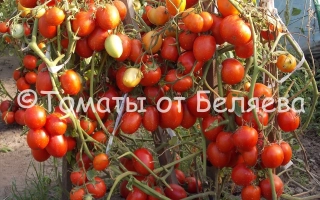
Camelot tomato is a medium-maturing, determinate hybrid with a fruiting period from germination to maturity of 100-110 days. The plant is robust, of medium growth, with good leaf coverage and a well-developed root system, reaching a height of up to 0.8 meters. Camelot is recommended for cultivation both in plastic greenhouses and in open ground, especially on light loamy or clayey, well-drained and warmed soils. For successful cultivation, crop rotation should be observed, planting tomatoes no earlier than 3-4 years after solanaceous crops; suitable preceding crops include onions, legumes, cabbage, cereals, cucumbers, and carrots.
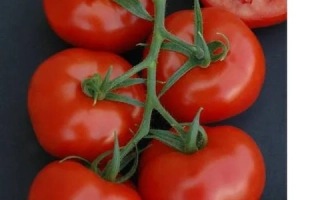
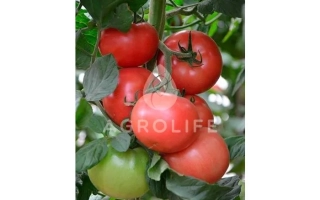
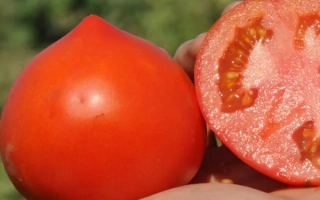
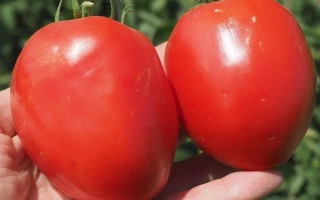
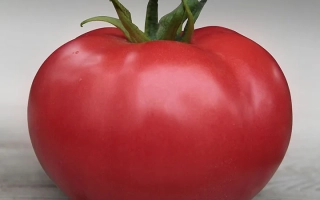
The fruits of the Camelot tomato have a rounded-cuboid or oval shape and a pink color, distinguished by their density and weight of 90 to 100 grams. The dry matter content in the fruits is approximately 5.2%, ensuring excellent taste qualities. Due to their dense structure and optimal ripening level, the fruits withstand long-distance transportation well, making this hybrid attractive for commercial cultivation. The plant is resistant to blossom end rot and cracking, further enhancing the quality of the harvest.
The hybrid possesses high marketability, storability, and transportability. It is recommended to form the plants into 1-2 stems for optimal growth and yield, which can exceed 20 kg per square meter. Camelot demonstrates good fruit set even under adverse weather conditions and resistance to several diseases, including bronze disease, tomato mosaic, leaf curl, and Fusarium and Verticillium wilt. For disease prevention, fungicide treatments are recommended.