


Prices in stores
No offers yet — stores have not added prices for this product yet.
Similar varieties with prices
-
CEPPORijk Zwaan
from 0.14 €per 1000 seeds
-
 Wodan F1Bejo
from 1.21 €per 1000 seeds
Wodan F1Bejo
from 1.21 €per 1000 seeds
-
 NegrityankaSedek
from 0.16 €
NegrityankaSedek
from 0.16 €
-
 BULL'S BLOODAgrofirma Aelita
from 0.12 €
BULL'S BLOODAgrofirma Aelita
from 0.12 €
Direction
Bunch products, Processing
Root: shape
Round
Root vegetable: color
Dark Red
Root vegetable: rings
No Rings
Your mark
0 votes
0% positive ratings
Description
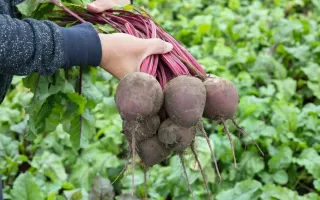
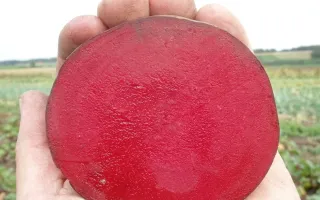
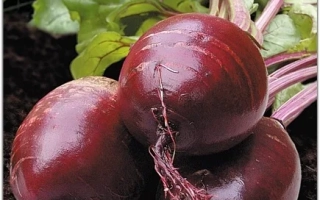
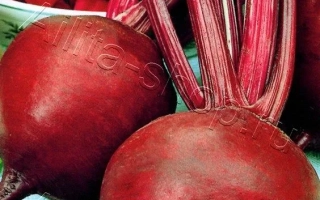
Table beet of the Rumyanets variety is a medium-early and universal vegetable intended both for preparing root crops and for using young leaves in salads and soups. The root crops have an oval shape and a dark red saturated color that is preserved during cooking without losing its brightness. The flesh is tender with a sweetish taste and lacks light rings in the cross-section, making dishes aesthetic and appetizing. The average weight of the root crops varies from 200 to 500 grams, which facilitates their preparation and transportation. The variety is resistant to temperature fluctuations and various diseases, ensuring a stable yield over the growing season of 80 to 130 days. Rumyanets prefers light and fertile loose soils, while acidic soils are recommended to be limed for better plant development. The best predecessors for planting are tomatoes, peppers, cucumbers, peas, and beans. Seeds are sown at the end of April to the beginning of May at a depth of 2-4 cm. In addition to root crops, young beet leaves are used to prepare vitamin salads and original soups, expanding the possibilities of using the crop in cooking. Special attention is paid to the rich vitamin-mineral composition of Rumyanets beet. It contains a significant amount of vitamin B9 (folic acid), which plays an important role in tissue formation, formation of the fetus's nervous system, and energy production in the body. The root crops are also rich in potassium, which improves memory, maintains kidney function, and water-salt balance, as well as manganese, which is involved in wound healing, normalization of muscle function, strengthening the immune system, and bone tissue development. Thanks to these properties, Rumyanets beet is not only tasty but also a useful product for the daily diet.
Specifications
| Direction | |
|---|---|
| Root: shape | |
| Root vegetable | |
| Color | |
| Rings | |
| Maturation Period | 90-100 days |
| Registration year | 2011 |
| Catalog | Catalog → Table Beet |
| Manufacturer | Agrofirma Aelita |
| Legal data |
Show · 3
|
| Country | Russia |
No reviews yet. Be the first to share your experience.
Alternatives
Table beet seeds · similar varieties





See also
Often considered together with this variety





Recently viewed
Products you’ve viewed on this site
Reviews