


SKU #36266
·
36 views
Plot
Sunflower
User rating
0 votes0% positive reviews
No ratings yet — be the first.
Oil Content
50-55%
Seeds; color
Black
Seeds; shape
Narrow-ovoid
Basket; size
Average
Prices in stores
from1.37 €per 1 kg
pack from 27.3 € per 20 kg
1 offer from 1 store
Store offers · 1 from 1 stores
Prices are updated on loadLoading offers…
Available at: Opt-semena
Aggregator catalog: prices are collected automatically from store websites, normalized by AI and converted at the current exchange rate. Before ordering, confirm the price and availability on the store's website. This block is not indexed by search engines — the data is loaded after the page opens.
About product

High-oil sunflower hybrid featuring integrated herbicide tolerance and disease resistance.
Oil Content
50-55%
Seeds; color
Black
Seeds; shape
Narrow-ovoid
Basket; size
Average
Description
Sunflowers from SGI: The «Siuzhet» Performance
The «Siuzhet» sunflower hybrid, developed by the Plant Breeding and Genetics Institute (National Center of Seed Science and Cultivar Investigation), represents a sophisticated choice for Ukrainian farmers focusing on intensive crop management. It has earned a reputation as a reliable performer, balancing yield stability with strong genetic defenses against the most common environmental and biological threats.
Resistance and Herbicide Tolerance
What sets «Siuzhet» apart is its comprehensive resistance profile, which significantly simplifies crop management and risk mitigation. The hybrid is specifically bred to withstand:
- Sclerotinia, Phomopsis, and Phoma
- Powdery mildew
- Peronospora (Downy mildew)
A key technological advantage is its tolerance to Euro-Lightning herbicides. This allows for effective, broad-spectrum weed control, enabling the crop to grow in a clean environment without suffering from chemical stress. This synergy between genetics and chemistry is why many agronomists choose «Siuzhet» for fields with high weed pressure.
Morphology and Oil Potential
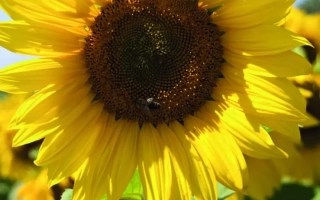
The hybrid produces medium-sized heads and distinctive black, narrow egg-shaped seeds. Beyond its physical appearance, «Siuzhet» is recognized for its impressive oil content, which typically ranges from 50% to 55%. This high oil yield makes it a preferred choice for processors and farmers looking to maximize the value of their output.
In the evolving landscape of sunflower production, «Siuzhet» serves as a steady, high-performing model that minimizes uncertainty for producers seeking a robust and high-oil yielding crop in the Ukrainian climate.
Video · 5 videos
Suggest a video →Crop & resistance
Crop
Disease resistance
Specifications hover over for a hint about the specification
| Oil Content | 50-55% |
|---|---|
| Seeds; color | |
| Seeds; shape | |
| Basket; size | |
|
Herbicide Tolerance
Herbicide Tolerance
Unique combination of the herbicide EURO-LIGHTNING®, containing two active ingredients of the imidazolinone class, and high-yielding hybrids resistant to this herbicide, developed using traditional selection methods (without genetic engineering). Advantages of using CLEARFIELD te... |
|
| Registration year | 2009 |
| Catalog | Catalog → Sunflower |
| Legal data |
Show · 1
|
| Country | Ukraine |
Not yet комментариев. Be the first!
Alternatives
Sunflower seeds · similar varieties




See also
Often considered together with this variety






PUSHKINEC
ФГБОУ ВО Санкт-Петербургский государственный аграрный университет
069 1 offer
3.98 € ≈ 206 ₴


Recently viewed
Products you’ve viewed on this site
Reviews · 0