



SKU #58675
·
27 views
Sunflower Everest
Sunflower
Federal Agrarian Scientific Center of the South-EastUser rating
0 votes0% positive reviews
No ratings yet — be the first.
Hybrid Type
Simple Hybrid
Oil Content
45-50%
Seeds; color
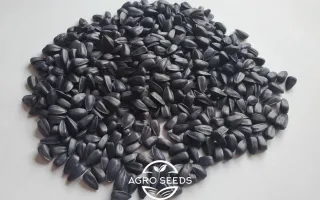
Black
Seeds; size
Large
Store offers · 4 from 4 stores
Prices are updated on loadLoading offers…
Available at: Агро Пионер · АгроПлант · Bubochka · Сонцесад
Aggregator catalog: prices are collected automatically from store websites, normalized by AI and converted at the current exchange rate. Before ordering, confirm the price and availability on the store's website. This block is not indexed by search engines — the data is loaded after the page opens.
About product

An early-maturing hybrid featuring high oil content and compatibility with the Euro-Lightning system.
Hybrid Type
Simple Hybrid
Oil Content
45-50%
Seeds; color
Black
Seeds; size
Large
Description
Genetic Potential and Adaptability
The «Everest» sunflower hybrid from the Federal Agricultural Research Center of the South-East (FANC South-East) is engineered for yield stability under challenging climatic conditions. The center’s breeding program focuses on creating plant material capable of withstanding significant environmental stress, and Everest is a prime example of this development. The core advantage of this hybrid is the combination of a short vegetation period (90–100 days) with high oil content (45–50%).
Technological Defense Stack
In field conditions, Everest exhibits comprehensive pathogen resistance. Leveraging genetic resilience against downy mildew, white rot, and gray rot significantly reduces the necessary fungicide application load. The structural solutions embedded in this hybrid include:
- Phytosanitary Resilience: A high threshold of resistance to rust, phomopsis, phoma, and powdery mildew, which is critical for farms facing high soil-borne infection pressure.
- Herbicide Tolerance: The hybrid is optimized for the EURO-LIGHTNING system, providing agronomists with an effective tool to manage stubborn weeds and broomrape directly during the active growing season.
Morphological and Practical Parameters
Reaching a height of 170–180 cm, the plant offers an ideal architecture for mechanized harvesting. The medium-sized head has a slightly convex shape, promoting uniform maturation and efficient threshing. The large, black seeds possess high test weight, directly impacting market yield. The rapid progression through vegetation phases allows Everest to evade peak summer droughts, making it an excellent candidate for regions with short or erratic growing seasons.
Crop & resistance
Crop
Disease resistance
Pest resistance
Устойчивость к заразихе
Specifications hover over for a hint about the specification
| Hybrid Type | |
|---|---|
| Oil Content | 45-50% |
| Seeds; color | |
| Seeds; size | |
| Vegetation Period | 90-100 days |
| Plant; height | 170-180 cm |
| Basket; shape | |
| Basket; size | |
|
Herbicide Tolerance
Herbicide Tolerance
Unique combination of the herbicide EURO-LIGHTNING®, containing two active ingredients of the imidazolinone class, and high-yielding hybrids resistant to this herbicide, developed using traditional selection methods (without genetic engineering). Advantages of using CLEARFIELD te... |
|
| Registration year | 2015 |
| Catalog | Catalog → Sunflower |
| Manufacturer | Federal Agrarian Scientific Center of the South-East |
| Legal data |
Show · 1 |
| Country | Russia |
Not yet комментариев. Be the first!
Alternatives
Sunflower seeds · similar varieties



See also
Often considered together with this variety




Recently viewed
Products you’ve viewed on this site
Reviews · 0