


SKU #42754
·
57 views
SOPRANA
Soybean
RAGTUser rating
0 votes0% positive reviews
No ratings yet — be the first.
Growing Season
90-100 days
Plant; plant height
60-70cm
Seeds: oil content
18-19%, 22-23%
Seeds: protein content
35-37%
About product

Soprana is a soybean variety included in the State Register for the Central Chernozem and Volga-Vyatka regions of Russia since 2020. It is characterized by early maturity and a semi-determinate plant type of medium height, typically 60 to 80 cm. The plant has an upright stem with reddish-brown or gray hairs, purple flowers, and green, pointed-oval leaves. The seeds of the Soprana variety are light…
Growing Season
90-100 days
Plant; plant height
60-70cm
Seeds: oil content
18-19%, 22-23%
Seeds: protein content
35-37%
Description
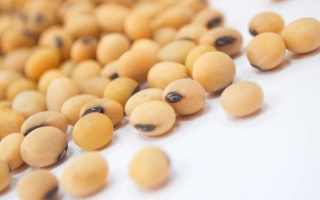
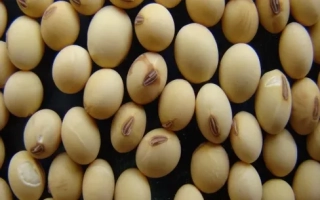
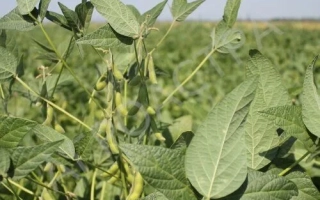
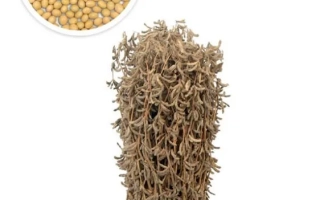
Soprana is a soybean variety included in the State Register for the Central Chernozem and Volga-Vyatka regions of Russia since 2020. It is characterized by early maturity and a semi-determinate plant type of medium height, typically 60 to 80 cm. The plant has an upright stem with reddish-brown or gray hairs, purple flowers, and green, pointed-oval leaves. The seeds of the Soprana variety are light brown or yellow with a dark brown hilum, and the 1000-seed mass varies from 151 to 190 grams depending on the growing region.
The variety is distinguished by its ultrarapid maturity, with a vegetative period of 95 to 111 days, and high resistance to drought, lodging, and pod cracking. It has high yield potential: average seed yields reach 18.2–26.3 centners per hectare, with maximum values up to 35.3 centners per hectare, confirmed by trials across various regions of Russia. Protein content in the seeds ranges from 30.5% to 37.5%, and oil content from 18% to 23.6%, making this variety promising for producing protein and oil products.
Soprana also exhibits resistance to major soybean diseases such as ascochytosis and downy mildew, contributing to stable yields and reduced losses during cultivation. It is recommended for cultivation in the Central Chernozem and Volga-Vyatka regions, including the Nizhny Novgorod region. The sowing rate depends on the planting method and ranges from 650,000 to 850,000 seeds per hectare. Due to its agronomic characteristics and high technological performance, the Soprana variety is a profitable choice for agricultural producers focused on early and high-quality soybean harvests.
The variety is distinguished by its ultrarapid maturity, with a vegetative period of 95 to 111 days, and high resistance to drought, lodging, and pod cracking. It has high yield potential: average seed yields reach 18.2–26.3 centners per hectare, with maximum values up to 35.3 centners per hectare, confirmed by trials across various regions of Russia. Protein content in the seeds ranges from 30.5% to 37.5%, and oil content from 18% to 23.6%, making this variety promising for producing protein and oil products.
Soprana also exhibits resistance to major soybean diseases such as ascochytosis and downy mildew, contributing to stable yields and reduced losses during cultivation. It is recommended for cultivation in the Central Chernozem and Volga-Vyatka regions, including the Nizhny Novgorod region. The sowing rate depends on the planting method and ranges from 650,000 to 850,000 seeds per hectare. Due to its agronomic characteristics and high technological performance, the Soprana variety is a profitable choice for agricultural producers focused on early and high-quality soybean harvests.
Crop & resistance
Crop
Disease resistance
Specifications
| Growing Season | 90-100 days |
|---|---|
| Plant; plant height | 60-70cm |
| Seeds: oil content | 18-19%, 22-23% |
| Seeds: protein content | 35-37% |
| Registration year | 2019 |
| Catalog | Catalog → Soybean |
| Manufacturer | RAGT |
| Country | France |
Store offers
Prices are updated on loadLoading offers…
Aggregator catalog: prices are collected automatically from store websites, normalized by AI and converted at the current exchange rate. Before ordering, confirm the price and availability on the store's website. This block is not indexed by search engines — the data is loaded after the page opens.
Not yet комментариев. Be the first!
Alternatives
Soybean seeds · similar varieties





See also
Often considered together with this variety




Recently viewed
Products you’ve viewed on this site
Reviews · 0