


SKU #63592
·
47 views
Olga
Soybean
LLC 'SCIENTIFIC-PRODUCTION UNION'User rating
0 votes0% positive reviews
No ratings yet — be the first.
Growing Season
90-100 days
Plant; plant height
70-80cm
Seeds: oil content
20-21%
Seeds: protein content
35-37%, 39-41%
About product

The OLGA soy variety is an early-maturing hybrid intended for cultivation in the Central region of Russia, including the Tula, Bryansk, Ryazan, Voronezh, Kursk, and Belgorod regions. This variety is characterized by a very early maturity date and flowering onset, which allows it to fully ripen even in more northern soy-growing zones. The vegetative period lasts about 97-112 days, and the sum of ac…
Growing Season
90-100 days
Plant; plant height
70-80cm
Seeds: oil content
20-21%
Seeds: protein content
35-37%, 39-41%
Description
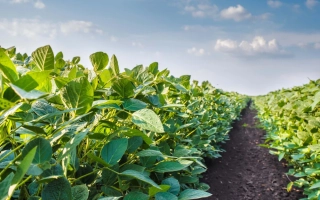
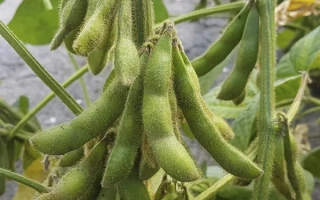
The OLGA soy variety is an early-maturing hybrid intended for cultivation in the Central region of Russia, including the Tula, Bryansk, Ryazan, Voronezh, Kursk, and Belgorod regions. This variety is characterized by a very early maturity date and flowering onset, which allows it to fully ripen even in more northern soy-growing zones. The vegetative period lasts about 97-112 days, and the sum of active temperatures required for maturity is 2130 °C. The plants are tall, reaching heights of 77-85 cm, with a semi-determinate or indeterminate growth type, ensuring good development and resistance to unfavorable conditions. The OLGA soy is distinguished by its high yield—the average yield in the region is 17.8 centners per hectare, while the maximum reached 42.8 centners per hectare. The seeds are light brown in color with a yellow hilum; the mass of 1000 seeds ranges from 148 to 174 g. The protein content in the seeds is high—on average 28.9-40%, with a maximum value up to 44%, while oil content reaches 20.2-22.1%. The plant is resistant to drought, lodging, and grain shattering, making it a reliable choice for various climatic conditions. The hypocotyl has an anthocyanin coloration, the main stem has a reddish-brown pubescence, and the flowers are purple, which are characteristic morphological features of the variety. The OLGA variety was registered in 2020 and developed by JSC "Scientific and Production Association SOYA-TSentr". Thanks to its unique characteristics, such as early maturity, high productivity, and resistance to stress factors, it is suitable for intensive cultivation in central and northern regions of Russia. This variety is recommended for farmers seeking to obtain high-quality soy crops with high protein and oil content, making it in demand for both the food industry and forage purposes.
Crop & resistance
Crop
Specifications
| Growing Season | 90-100 days |
|---|---|
| Plant; plant height | 70-80cm |
| Seeds: oil content | 20-21% |
| Seeds: protein content | 35-37%, 39-41% |
| Registration year | 2020 |
| Catalog | Catalog → Soybean |
| Manufacturer | LLC 'SCIENTIFIC-PRODUCTION UNION' |
| Legal data |
Show · 1
|
| Country | Russia |
Store offers
Prices are updated on loadLoading offers…
Aggregator catalog: prices are collected automatically from store websites, normalized by AI and converted at the current exchange rate. Before ordering, confirm the price and availability on the store's website. This block is not indexed by search engines — the data is loaded after the page opens.
Not yet комментариев. Be the first!
Alternatives
Soybean seeds · similar varieties






See also
Often considered together with this variety




Recently viewed
Products you’ve viewed on this site
Reviews · 0