


SKU #42708
·
62 views
Marisia
Soybean
User rating
0 votes0% positive reviews
No ratings yet — be the first.
Plant; plant height
70-80cm
Seeds: oil content
19-20%
Seeds: protein content
39-41%
Registration year
2019
About product

A reliable Ukrainian variety with high protein content and strong resistance to major soybean fungal infections.
Plant; plant height
70-80cm
Seeds: oil content
19-20%
Seeds: protein content
39-41%
Registration year
2019
Description
Stable Yields in Moderate Moisture Conditions
Choosing soybean seeds for farms located in regions prone to fungal diseases often becomes a trade-off between yield potential and pathogen resistance. The "Marysia" variety, developed by breeders at the National Scientific Center "Institute of Agriculture of NAAS," solves this issue through its genetically inherent defense system.
Agronomic Profile and Resistance
The key advantage of this variety is its pronounced resistance to a complex of diseases that typically erode farmers' margins: downy mildew (peronosporosis), fusarium, and bacteriosis. Unlike many imported hybrids that demand intensive fungicide protection, "Marysia" demonstrates high plasticity and maintains productivity even with minimal chemical treatments.
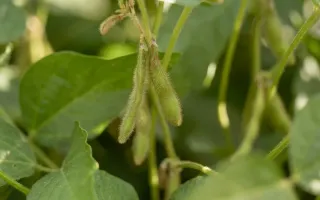
- Morphotype: A compact plant with a height of 70–80 cm. This height is optimal for direct combining without significant losses in the lower pod layer.
- Grain Quality: Protein content ranges from 39% to 41%, which is a solid benchmark for the processing industry. Oil content is 19–20%.
Who should choose this variety?
"Marysia" is a choice for growers who value predictability. If your strategy involves planting in fields with high infection pressure or practicing minimum tillage where pathogens remain active, this variety acts as a reliable risk-reduction tool. It does not aim for one-off record yields under perfect conditions, but it consistently delivers commercial-grade grain where finicky hybrids would require excessive pesticide expenditure.
Strengths: Comprehensive immune resistance, excellent protein yield, ease of harvesting. Weaknesses: Average oil content potential, which requires an assessment of cost-effectiveness based on current protein market prices.
Crop & resistance
Crop
Disease resistance
Specifications
| Plant; plant height | 70-80cm |
|---|---|
| Seeds: oil content | 19-20% |
| Seeds: protein content | 39-41% |
| Registration year | 2019 |
| Catalog | Catalog → Soybean |
| Legal data |
Show · 1
|
| Country | Ukraine |
Store offers
Prices are updated on loadLoading offers…
Aggregator catalog: prices are collected automatically from store websites, normalized by AI and converted at the current exchange rate. Before ordering, confirm the price and availability on the store's website. This block is not indexed by search engines — the data is loaded after the page opens.
Not yet комментариев. Be the first!
Alternatives
Soybean seeds · similar varieties




See also
Often considered together with this variety


Recently viewed
Products you’ve viewed on this site
Reviews · 0