


Prices in stores
No offers yet — stores have not added prices for this product yet.
Similar varieties with prices
-
Triada
from 553.62 €
-
 Silvia PZOTerravita Ukraine
from 7.35 €
Silvia PZOTerravita Ukraine
from 7.35 €
-
 LiskaSemences Prograin Inc
from 0.25 €per 1 kg
LiskaSemences Prograin Inc
from 0.25 €per 1 kg
-
 ES GOVERNOREuralis Semences
from 0.57 €per 1 kg
ES GOVERNOREuralis Semences
from 0.57 €per 1 kg
Growing Season
100-110 days
Plant: plant height
70-80cm, 80-90cm
Plant: Height of Lower Pod Attachment
12-14cm
Seeds: oil content
22-23%
Your mark
0 votes
0% positive ratings
Description
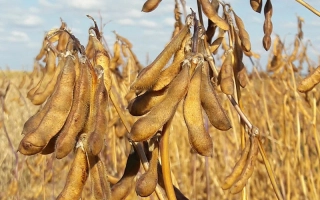
The Korifi soybean variety is an ultra-early or early variety with a vegetation period of 100 to 110 days. Plants have a medium height of 70 to 90 cm, a semi-determinate growth type, and moderate branching. The variety is distinguished by the gray pubescence of the main stem, purple flowers, and yellow seeds with a yellow hilum. The height of the lower pod attachment is about 12 cm, which facilitates harvesting. The sowing rate is 600-650 thousand seeds per hectare, which is optimal for achieving high productivity. Korifi is adapted for cultivation in the Central Black Earth, Middle Volga, and Far Eastern regions. The variety prefers well-drained soils with a neutral reaction and requires regular care, including irrigation, weeding, and fertilizer application. The yield potential of the variety reaches 5 tons per hectare, with average yields varying from 17.7 to 27.5 centners per hectare depending on the region, and maximum indicators reaching 46.7 centners per hectare. The mass of 1000 seeds ranges from 148 to 161 grams, indicating large seed size. The protein content in the seeds of the Korifi variety ranges from 30.8% to 40.4%, and fat content from 22.0% to 26.4%, making this variety valuable for oilseed production. Additionally, the variety has high resistance to major pests and diseases, including corn fly, soybean seed moth, bacterial blight, peronosporosis, ascochitosis, and fusarium, ensuring crop stability and reducing loss risks. Due to its characteristics and adaptability, Korifi is a promising choice for farmers focused on high productivity and product quality.
Crop & resistance
Crop
Disease resistance
Pest resistance
Specifications
| Growing Season | 100-110 days |
|---|---|
| Plant: plant height | 70-80cm, 80-90cm |
| Plant: Height of Lower Pod Attachment | 12-14cm |
| Seeds: oil content | 22-23% |
| Seeds: protein content | 35-37%, 37-39%, 39-41% |
| Registration year | 2022 |
| Catalog | Catalog → Soybean |
| Manufacturer | LLC 'RUSSIAN GENETICS' |
| Legal data |
Show · 1
|
| Country | Russia |
No reviews yet. Be the first to share your experience.
Alternatives
Soybean seeds · similar varieties



See also
Often considered together with this variety




Recently viewed
Products you’ve viewed on this site
Reviews