


Prices in stores
No offers yet — stores have not added prices for this product yet.
Similar varieties with prices
-
CSB 938CAUSSADE SEMENCES
from 19.79 €per 1 kg
-
 CORDOBAAGRELIANT GENETICS INC
from 0.82 €per 1 kg
CORDOBAAGRELIANT GENETICS INC
from 0.82 €per 1 kg
- SmaragdP.H.PETERSEN SAATZUCHT LUNDSGAARD from 0.5 €per 1 kg
-
 KanoSoy Research Institute
from 0.6 €per 1 kg
KanoSoy Research Institute
from 0.6 €per 1 kg
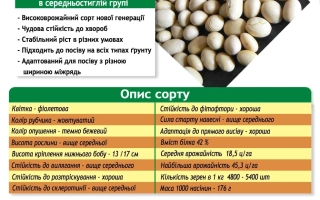
Plant: plant height
40-50cm, 90-100cm
Registration year
2008
Your mark
0 votes
0% positive ratings
Description
Ina soybean is a medium-maturing grain variety recommended for cultivation in steppe regions. It is characterized by medium oil content and is adapted to steppe zone conditions, as confirmed by its registration in 2008. This variety demonstrates resilience to regional climatic features, making it an optimal choice for farmers operating under similar conditions.
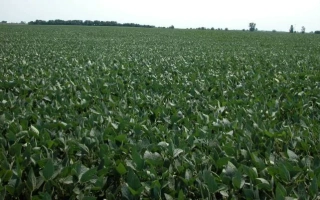
Botanical features of soybeans include a well-developed taproot system with a main root penetrating the soil up to two meters deep and numerous lateral roots. The height of Ina plants ranges from 40 cm to 1 meter, which corresponds to average values for soybean crops in Ukraine. Stems can be either thick and strong or thinner, with varying degrees of branching. Leaves are trifoliate, covered with white, gray, or brown hairs, which protects the plant and facilitates mechanized harvest. Flowers are white or purple and arranged in racemose inflorescences.
For successful cultivation of Ina soybean, optimal temperature conditions are essential: 18 to 27 °C during different growth phases, with increased demand for heat and moisture during germination and flowering. Seeds begin to germinate at temperatures from 8 to 10 °C, but the process accelerates at higher temperatures. Pods are of various shapes and colors, containing one to four seeds. The thousand-seed mass may vary, affecting yield and product quality. Ina soybean is suitable for producing high-quality grain with good protein and oil content, making it in demand in the agro-industrial complex.
Botanical features of soybeans include a well-developed taproot system with a main root penetrating the soil up to two meters deep and numerous lateral roots. The height of Ina plants ranges from 40 cm to 1 meter, which corresponds to average values for soybean crops in Ukraine. Stems can be either thick and strong or thinner, with varying degrees of branching. Leaves are trifoliate, covered with white, gray, or brown hairs, which protects the plant and facilitates mechanized harvest. Flowers are white or purple and arranged in racemose inflorescences.
For successful cultivation of Ina soybean, optimal temperature conditions are essential: 18 to 27 °C during different growth phases, with increased demand for heat and moisture during germination and flowering. Seeds begin to germinate at temperatures from 8 to 10 °C, but the process accelerates at higher temperatures. Pods are of various shapes and colors, containing one to four seeds. The thousand-seed mass may vary, affecting yield and product quality. Ina soybean is suitable for producing high-quality grain with good protein and oil content, making it in demand in the agro-industrial complex.
Crop & resistance
Crop
Specifications
| Plant: plant height | 40-50cm, 90-100cm |
|---|---|
| Registration year | 2008 |
| Catalog | Catalog → Soybean |
| Manufacturer | IFVCNS (Novi Sad) |
| Country | Serbia |
No reviews yet. Be the first to share your experience.
Alternatives
Soybean seeds · similar varieties


See also
Often considered together with this variety




Recently viewed
Products you’ve viewed on this site
Reviews