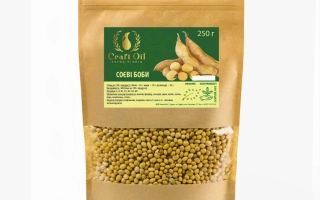
The Soier 4 soybean variety was developed at the Yershov Irrigated Field Trial Station of the Southern-Siberian Agricultural Research Institute (NIISKh South-East) and represents a hybrid of ecogeographically distant genotypes Vokhod and 3000-78. This variety belongs to the sub-species of Glycine max and the hybrid approval group, characterized by medium plant height with a semi-compact form and a determinate growth type. A distinguishing feature is the very strong anthocyanin pigmentation of the hypocotyl, purple flowers, and light-brown seeds. Seeds are yellow with a white hilum and ridge of the same color, which is particularly valued for food processing. The mass of 1000 seeds varies from 129.7 to 183.2 grams, which is higher than common standards. The Soier 4 variety belongs to early-maturing types with a vegetative period of 97 to 111 days, which allows for its cultivation in various regions of Russia, including the Central Black Earth, Middle Volga, Lower Volga, Ural, and Far Eastern regions. Seed yield reaches 12.1-17.7 centners per hectare, with protein content in seeds ranging from 27.8% to 42.9% and oil content from 20.2% to 24.0%. The variety is resistant to lodging, cracking, and shattering, which facilitates mechanized cultivation and harvesting, as well as reduces grain production costs. Soier 4 is characterized by high adaptability to weather conditions and resistance to adverse factors, ensuring stable high yields. It can compensate for sparse sowing through increased individual plant productivity and is less susceptible to negative micro-environmental influences. High competitiveness of the variety has been confirmed, including in the Far Eastern region of Russia. The main advantages of the variety are the combination of earliness, technological readiness, adaptability, and quality product indicators, which makes it in demand for food use and industrial processing.