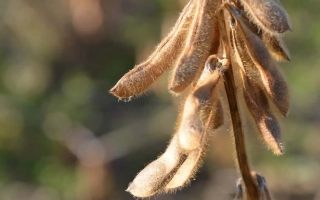
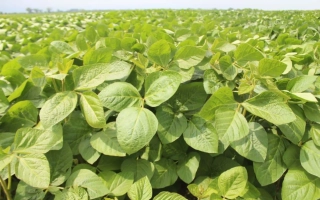
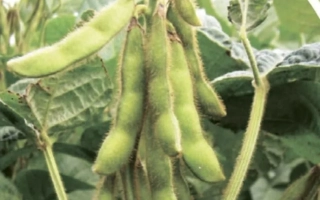
Kofu soybean is an early-maturing indeterminate variety with a vegetative period of 95 to 117 days, allowing successful cultivation in various climatic zones, including the Polissya, forest-steppe, and steppe regions. Plants have an upright growth habit with above-average height and a reddish-brown pubescence on the main stem. The variety is characterized by strong early development and good branching, contributing to high yields reaching 4.5–5.0 tons per hectare at a planting density of 650,000–750,000 plants per hectare.
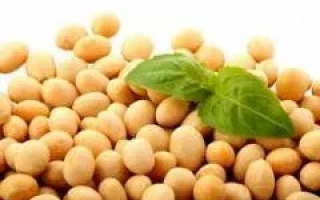
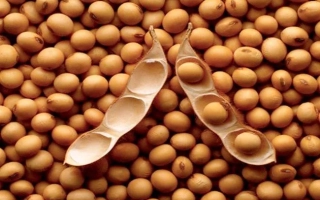
The seed quality of the Kofu variety is characterized by medium oil content at 21–23% and high protein content — 41–42%. The thousand-seed weight is 185–195 grams, the seed coat is yellow, and the hilum is light-colored and matches the seed color. The soybean demonstrates good resistance to cracking, lodging, shattering, and major diseases, making it a reliable choice for farmers aiming for stable and high yields.
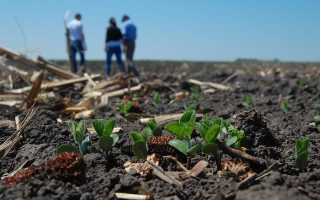
For optimal cultivation, it is recommended to plant with row spacing of 25 to 50 centimeters, and the seeding rate varies depending on soil moisture and planting timing, ranging from 650,000 to 750,000 seeds per hectare. Flowering and maturation time for the Kofu variety ranges from early to mid-season, allowing flexible planning of agronomic practices and efficient use of planting areas.