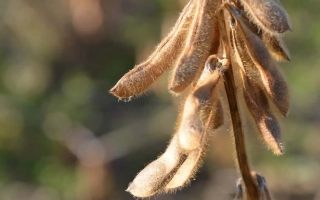
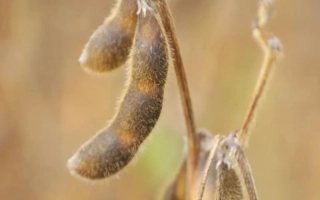
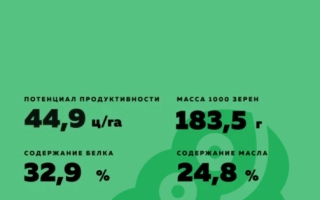
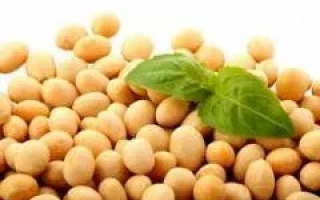
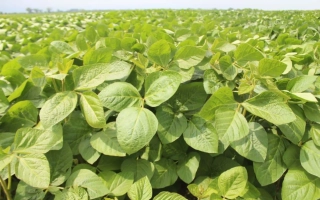
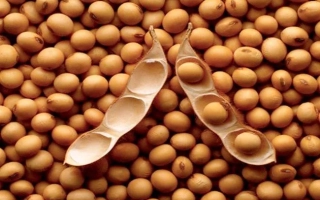
Kyoto soybean variety is a medium-early determinate type with a vegetation period of 115 to 125 days, ensuring timely maturity and high productivity. Plants are of medium height, approximately 69 cm, upright with reddish-brown pubescence on the main stem and purple flowers. Seeds are medium-sized, elongated-oval, yellow with a yellow hilum, possessing high protein (34.0%) and oil (24.2%) content, making this variety attractive for various uses.
Kyoto exhibits high resistance to diseases, including sclerotinia, as well as to stress factors such as lodging and cracking, confirmed by a resistance rating of 8 points. The variety is adapted to diverse soil-climatic conditions and is recommended for cultivation in the Central Black Earth, North Caucasus, and Far Eastern regions of Russia, as well as in the Kursk region. Recommended planting density varies depending on row width and ranges from 380,000 to 600,000 seeds per hectare.
The yield potential of Kyoto variety is high and stable, averaging 5.0 tons per hectare, with maximum yields reaching up to 4.54 tons per hectare in certain regions. Oil content in seeds is approximately 21-24%, corresponding to the medium-oil quality. Due to its agronomic characteristics and adaptability, this variety is a reliable choice for farmers aiming to achieve high-quality soybean yields.