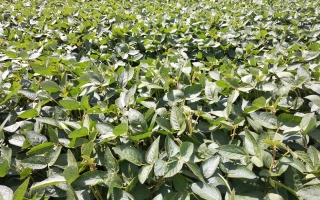
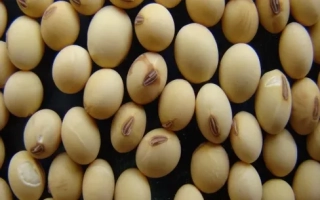
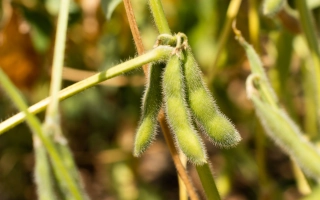
Soybean variety Kyivska 98 is an early-maturing grain variety recommended for cultivation in the Polissia and Forest-Steppe regions. This variety is characterized by high initial growth energy, resistance to lodging and shattering, as well as high protein content in the seeds — 40–41%. Plant height reaches 95–100 cm, 1000-seed weight is 150–160 g, and potential yield varies from 3.0 to 3.5 t/ha. Kyivska 98 belongs to early-maturing varieties, suitable as predecessors for winter crops and appropriate for intensive cultivation technologies.
To successfully grow soybeans, including the Kyivska 98 variety, specific agronomic conditions are required. Soybeans are light- and heat-loving crops requiring significant heat, especially during flowering, pod formation, and seed filling. The optimal temperature for growth should not exceed 30–32 °C, and soil moisture during critical periods should be 70–80%. Soil preparation includes thorough tillage with harrowing, fertilization, and plowing to a depth of 22–30 cm depending on the predecessor crop. Before planting, minimal tillage is recommended to control weeds and retain moisture. Planting is carried out when soil temperature reaches 11–12 °C at a depth of 3–6 cm, with mandatory rolling if soil moisture is insufficient.
Soybean nutrition requires the application of phosphorus and potassium fertilizers based on soil fertility, as well as nitrogen, which is partially fixed by rhizobial bacteria on plant roots. Inoculating seeds with bacterial preparations increases yield by 10–30%. To protect against pests such as spider mites and acacia aphids, as well as diseases (ascochitosis, cercosporosis, peronosporosis, etc.), appropriate insecticides and fungicides are applied, and crop rotation and agronomic measures are observed. Thus, Kyivska 98 is a high-yielding and well-adapted soybean variety for the Polissia and Forest-Steppe regions, ensuring stable yields with proper agronomic practices.