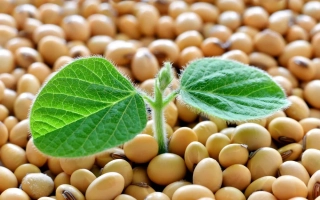
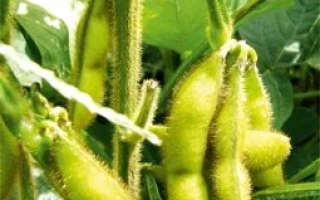
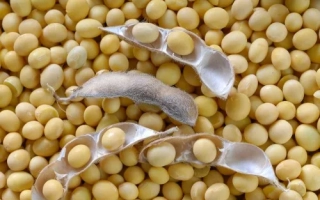
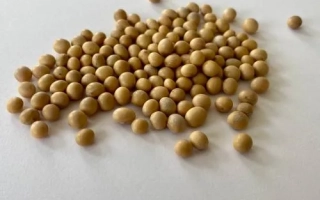
Geba soybean variety is a grain type recommended for cultivation in forest-steppe areas. This variety belongs to the early-maturing group and is characterized by medium oil content. It was registered in 2016 and developed by the soybean research institute focused on creating new varieties adapted to various growing conditions, drought-resistant, crack-resistant, lodging-resistant, and with increased oil and protein content.
In agronomic studies, the Geba variety demonstrated certain productivity features depending on the application of organic fertilizers, growth regulators, and water-retaining agents. Specifically, using the hydrogel Aquasorb for additional moisture retention in the soil increased the yield of the variety from 1.91 t/ha to 3.05 t/ha. Additionally, applying the organic fertilizer Parostok and treating with growth regulators Vermistim D and Agrostimulin during the bud stage further increased productivity, achieving yields of 3.23–3.48 t/ha.
Thus, the Geba variety is a promising choice for forest-steppe zones due to its early maturity and medium oil content. Its cultivation in combination with modern agronomic technologies, such as water-retaining agents and organic fertilizers, significantly increases yield and economic efficiency of production. The institute's breeding work continues to focus on developing varieties suitable for organic farming and No-till technologies, making Geba a relevant and in-demand soybean variety.