

Prices in stores
No offers yet — stores have not added prices for this product yet.
Similar varieties with prices
-
Grace
from 1.53 €per 1 kg
- SK 1802Fagopirum from 204.51 €per 1 kg
-
 Golden
from 0.01 €per 1 kg
Golden
from 0.01 €per 1 kg
- CORDYLIABoreal Plant Breeding from 0.64 €per 1 kg
Type of Variety
Spring
Purpose
Feed
Registration year
2017
Your mark
0 votes
0% positive ratings
About product
A resilient spring variety designed for high-quality livestock fodder production with superior disease resistance.
Description
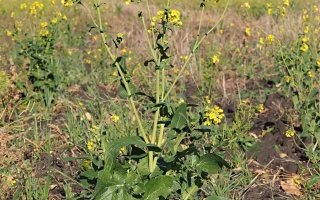
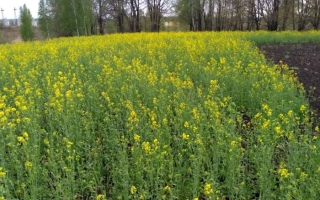
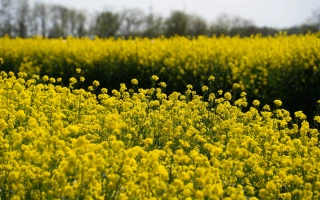
Ensuring Feed Security with the «Valentina» Spring Turnip Rape
Spring turnip rape «Valentina» by Ooo Fagopirum is a proven solution for agricultural enterprises focused on strengthening their fodder base. In a climate of environmental uncertainty, selecting a variety that combines high green mass yield with robust phytosanitary resistance is essential for cost optimization.
Agronomic Advantages
Developed by the team at Ooo Fagopirum (originator Anatoly Dmitrievich Ten), the «Valentina» variety excels in its resistance to common cruciferous pathogens. This genetic trait allows farmers to significantly reduce fungicide applications. The variety demonstrates high tolerance to:
- Alternaria leaf spot;
- White rot;
- Downy mildew (Peronospora).
Moreover, the variety shows impressive resilience against cruciferous flea beetles, which is critical during the initial germination phase when the crop is most vulnerable.
On-Farm Application Scenarios
«Valentina» is best utilized as a high-protein fodder crop. It is highly effective for several common agricultural operations:
- Early Green Fodder: Due to its rapid biomass development, it bridges the spring forage gap effectively.
- Silage and Haylage Production: When harvested at the optimal growth stage, the variety provides excellent nutritional value.
- Cover Cropping: Its root system contributes to soil structure improvement and organic matter accumulation.
Practical experience confirms that the variety from Ooo Fagopirum is optimal for producers seeking to lower the cost of livestock production through high-quality on-farm forage. Its minimal requirements for chemical protection make it an attractive choice for both traditional and integrated farming systems.
Crop & resistance
Disease resistance
Pest resistance
Specifications
| Type of Variety | |
|---|---|
| Purpose | |
| Registration year | 2017 |
| Catalog | Catalog → Turnip Rape |
| Manufacturer | Fagopirum |
| Legal data |
Show · 2
|
| Country | Russia |
No reviews yet. Be the first to share your experience.
Alternatives
Turnip Rape · similar varieties




See also
Often considered together with this variety




Recently viewed
Products you’ve viewed on this site
Reviews