

Prices in stores
No offers yet — stores have not added prices for this product yet.
Similar varieties with prices
- SK 1802Fagopirum from 204.51 €per 1 kg
-
 Grace
from 1.53 €per 1 kg
Grace
from 1.53 €per 1 kg
- CORDYLIABoreal Plant Breeding from 0.64 €per 1 kg
-
 Golden
from 0.01 €per 1 kg
Golden
from 0.01 €per 1 kg
Type of Variety
Winter
Plant Height
70–90
Potential Yield
25–30
Purpose
For oil, Feed
Your mark
0 votes
0% positive ratings
Description
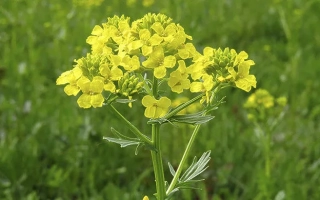
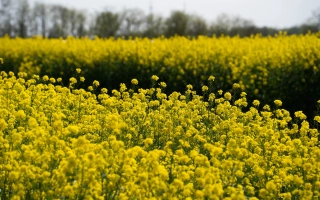
SK 1001 – winter rape (Brassica rapa L. subsp. campestris) is a non-erucic, low-glucosinolate type 00 variety, primarily intended for oilseed production. The diploid organism is characterized by resistance to major agro-technical and biological stresses: medium resistance to black leg, root bacterial rot, phoma, and alternaria; as well as increased resistance to downy mildew. These properties make the variety suitable for cultivation across a wide range of climatic zones.
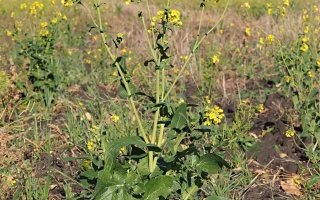
The growing season is 315 days; plants reach a height of about 70 cm and have dark green, lobed leaves of medium length. Flowering begins early, but the tendency to form inflorescences after spring sowing remains weak, which contributes to more uniform growth and higher seed yield. Yield reaches 26 c/ha, and fat content in seeds is steadily around 43%. Winter hardiness is rated at 8 points out of 10, confirming the variety's high adaptability to cold conditions.
Variety SK 1001 is also recognized as suitable for use as forage and early honey plant. Due to low glucosinolate content, it provides a milder taste during oil processing, and high fat content makes it a valuable energy source for animal feed. Combined with resistance to lodging (7 points), shattering (6 points), and drought (5 points), this variety represents a reliable choice for farmers seeking stable yields with minimal risk of losses.
The growing season is 315 days; plants reach a height of about 70 cm and have dark green, lobed leaves of medium length. Flowering begins early, but the tendency to form inflorescences after spring sowing remains weak, which contributes to more uniform growth and higher seed yield. Yield reaches 26 c/ha, and fat content in seeds is steadily around 43%. Winter hardiness is rated at 8 points out of 10, confirming the variety's high adaptability to cold conditions.
Variety SK 1001 is also recognized as suitable for use as forage and early honey plant. Due to low glucosinolate content, it provides a milder taste during oil processing, and high fat content makes it a valuable energy source for animal feed. Combined with resistance to lodging (7 points), shattering (6 points), and drought (5 points), this variety represents a reliable choice for farmers seeking stable yields with minimal risk of losses.
Crop & resistance
Disease resistance
Specifications
| Type of Variety | |
|---|---|
| Plant Height | 70–90 |
| Potential Yield | 25–30 |
| Purpose | |
| Registration year | 2012 |
| Catalog | Catalog → Turnip Rape |
| Manufacturer | Fagopirum |
| Legal data |
Show · 1
|
| Country | Russia |
No reviews yet. Be the first to share your experience.
Alternatives
Turnip Rape · similar varieties




See also
Often considered together with this variety






Recently viewed
Products you’ve viewed on this site
Reviews