

Prices in stores
from204.51 €per 1 kg
pack from 10.23 € per 50 g
1 offer from 1 store
Type of Variety
Winter
Purpose
Feed, Green manure
Registration year
2012
Your mark
0 votes
0% positive ratings
Store offers · 1 from 1 store
1 offer in 1 store — from 204.51 € per 1 kg.
Available at: avrora-cn-ua
Prices are collected automatically from store websites and converted at the current exchange rate. Check the price and availability on the store website before ordering.
Description
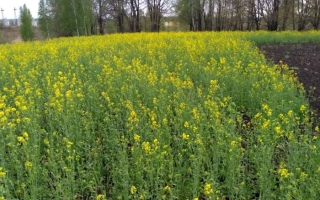
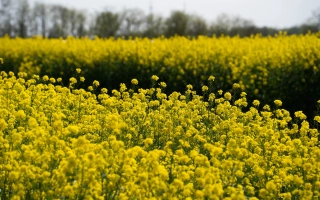
Winter rape (Brassica rapa L. subsp. campestris) – an early-maturing and high-yielding 00 type variety intended for seed production, fodder, and as an early honey plant. The plant is characterized by low glucosinolate content, making it safe for animal feed. The vegetative period lasts 292–297 days, and the plant height reaches 146 cm, with the lower pod attached at a height of about 73 cm.
The variety is distinguished by good winter hardiness (3.8 points), resistance to lodging (4.6 points), and shattering (3.4 points). Leaves are light green, lobed, of medium length, and the flower has an orange-yellow color. Seed yield reaches 18.9–33.2 c/ga, with oil content in seeds at about 44.8–45.5%. The mass of 1000 seeds is approximately 3.5 g.
Winter rape shows resistance to a wide range of diseases: alternaria, root bacterial infection, fusarium, peronosporosis, and other pathogens. The culture grows quickly, does not require intensive care, and excellently loosens the soil, improving its structure and enriching it with nitrogen. Thanks to its dense green mass, it displaces weeds and reduces infection by phytophthora, scab, rhizoctonia, and fusarium. This makes winter rape a valuable cover crop for improving soil fertility and increasing the agro-system's resistance to pests and diseases.
The variety is distinguished by good winter hardiness (3.8 points), resistance to lodging (4.6 points), and shattering (3.4 points). Leaves are light green, lobed, of medium length, and the flower has an orange-yellow color. Seed yield reaches 18.9–33.2 c/ga, with oil content in seeds at about 44.8–45.5%. The mass of 1000 seeds is approximately 3.5 g.
Winter rape shows resistance to a wide range of diseases: alternaria, root bacterial infection, fusarium, peronosporosis, and other pathogens. The culture grows quickly, does not require intensive care, and excellently loosens the soil, improving its structure and enriching it with nitrogen. Thanks to its dense green mass, it displaces weeds and reduces infection by phytophthora, scab, rhizoctonia, and fusarium. This makes winter rape a valuable cover crop for improving soil fertility and increasing the agro-system's resistance to pests and diseases.
Crop & resistance
Disease resistance
Specifications
| Type of Variety | |
|---|---|
| Purpose | |
| Registration year | 2012 |
| Catalog | Catalog → Turnip Rape |
| Manufacturer | Fagopirum |
| Legal data |
Show · 1
|
| Country | Russia |
No reviews yet. Be the first to share your experience.
Alternatives
Turnip Rape · similar varieties





See also
Often considered together with this variety





Recently viewed
Products you’ve viewed on this site
Reviews