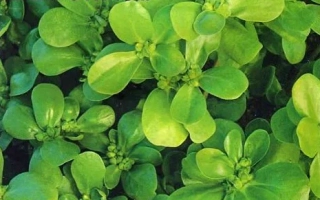
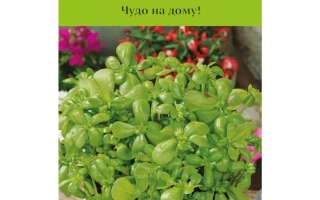
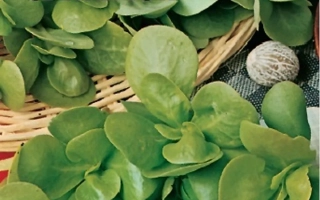
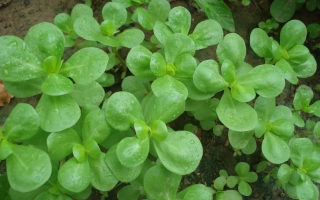
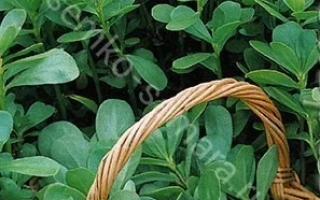
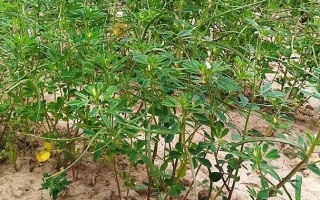
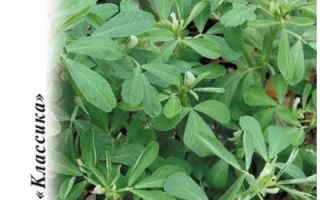
Field salad 'Gala' (Valerianella locusta) – an annual herbaceous plant reaching up to 30 cm in height, forming small rosettes of 6–8 spatulate leaves. The leaves have a delicate texture, a soft nutty taste, and a slightly sweet aroma, making them ideal for fresh salads, sandwiches, and green mixes.
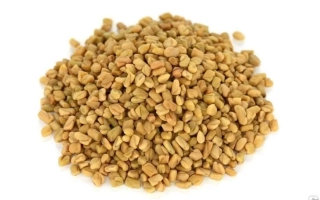
The crop is highly frost-resistant: at temperatures from +5 °C to +18–20 °C the plant develops quickly, while in cold climates it can survive even with frosts down to –10–15 °C. For successful cultivation, sowing seeds in spring (from April) or autumn (from September) is recommended when the soil warms up to +10 °C. Seeds germinate within 7–21 days, and the first harvest can be collected as early as 40–70 days after the appearance of the first leaves.
Field salad prefers fertile, well-drained soils with a pH of 6.5–7.0; humus and lime substrates are optimal. When sowing outdoors, the distance between rows should be 35–45 cm, and between plants – 10–15 cm. Inside a greenhouse or protected area, denser plantings (15–20 cm) can be used. The plant requires regular watering: in dry weather, leaves quickly toughen, so it is important to maintain moderate moisture.
Care for seedlings includes loosening the soil and timely watering. When leaves reach 7–10 cm in length, harvesting can begin, repeating the procedure every 2–2.5 weeks until flowering starts. After the first rosettes appear, the plant flowers quickly, so the harvest is collected before visible signs of flowering appear.
Field salad is rich in vitamins A and C, carotene, minerals (iron, potassium, calcium), and provitamin A. It has mild therapeutic properties, helps relieve stress, and supports a good mood. Due to simple care and high yield, 'Gala' is a popular choice for both amateur gardeners and professional farmers.