


SKU #47269
·
60 views
Synthetic 38
Rye
User rating
0 votes0% positive reviews
No ratings yet — be the first.
Type
Winter barley
Maturation Period
Late-maturing variety
Resistance to Falling
High
Registration year
2006
Prices in stores
from0.31 €per 1 kg
pack from 291.13 € per pack
2 offers from 2 stores
Store offers · 2 from 2 stores
Prices are updated on loadLoading offers…
Available at: Агроексперт-Трейд · Хаском Трейд
Aggregator catalog: prices are collected automatically from store websites, normalized by AI and converted at the current exchange rate. Before ordering, confirm the price and availability on the store's website. This block is not indexed by search engines — the data is loaded after the page opens.
About product

The winter wheat variety Synthetic 38 is intended for cultivation in all climatic zones of Ukraine, including the Steppe, Forest-Steppe, and Polesie. This variety is characterized by high yield, averaging from 53.2 to 62.0 c/ha, with maximum yields reaching 79.8 c/ha. The vegetation period lasts from 282 to 305 days, ensuring stable plant development. The wheat exhibits high tillering, large oval…
Type
Winter barley
Maturation Period
Late-maturing variety
Resistance to Falling
High
Registration year
2006
Description
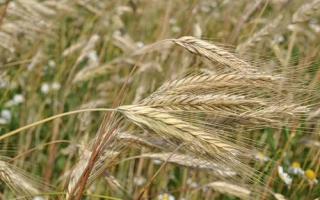
The winter wheat variety Synthetic 38 is intended for cultivation in all climatic zones of Ukraine, including the Steppe, Forest-Steppe, and Polesie. This variety is characterized by high yield, averaging from 53.2 to 62.0 c/ha, with maximum yields reaching 79.8 c/ha. The vegetation period lasts from 282 to 305 days, ensuring stable plant development. The wheat exhibits high tillering, large oval grains with a distinct groove and sparse hairs, as well as large ears and tall stems measuring 115–120 cm. The thousand-grain weight ranges from 36.4 to 42.9 g, and the grain density is 600–610 g/l. The plant has a semi-erect habit with thick, strong stems up to 5 mm in diameter, which are not hollow. Leaves are large, broad, green in color, with a weak waxy coating and hairs on the underside near the base. The ear is cylindrical, semi-erect, yellow in color, with a distinctly prominent awn and long, semi-spread, serrated light-colored awns. The coleoptile has strong anthocyanin pigmentation, and the aleurone layer of the grain is light. The variety demonstrates high resistance to lodging, drought, and shattering, as well as moderate resistance to diseases and above-average winter hardiness. Synthetic 38 is suitable for both grain and feed purposes. It responds well to mineral nutrition and has a high crude protein content — from 10.0 to 11.8%. The overall bread-making rating of the variety is 6.5 points, and the volume of bread produced from 100 g of flour reaches 397 ml. The recommended seeding rate is 160–220 kg per hectare. Packaging is sold in 50 kg bags, with sales available from 1 tonne.
Video · 1 video
Suggest a video →Crop & resistance
Crop
Specifications hover over for a hint about the specification
|
Type
Type
Galia (Galia) type — relatively new, of Israeli origin, although there are indications that this variety may originate from Spain. The fruits of this type are round or oval, weighing about 1 kg. The surface is smooth, covered with a delicate, connected netting, turning yellow whe... |
|
|---|---|
|
Maturation Period
Maturation Period
Vegetation period from emergence to technical maturity 30-50 days. |
Late-maturing variety |
| Resistance to Falling | |
| Registration year | 2006 |
| Catalog | Catalog → Rye |
| Legal data |
Show · 1
|
| Country | Ukraine |
Not yet комментариев. Be the first!


See also
Often considered together with this variety


Recently viewed
Products you’ve viewed on this site
Reviews · 0